
Can You Recommend a Guided Tour Operator for Kilimanjaro Climbs?
April 28, 2026
Are There Any Scenic Flights Available Over Mount Kilimanjaro?
April 28, 2026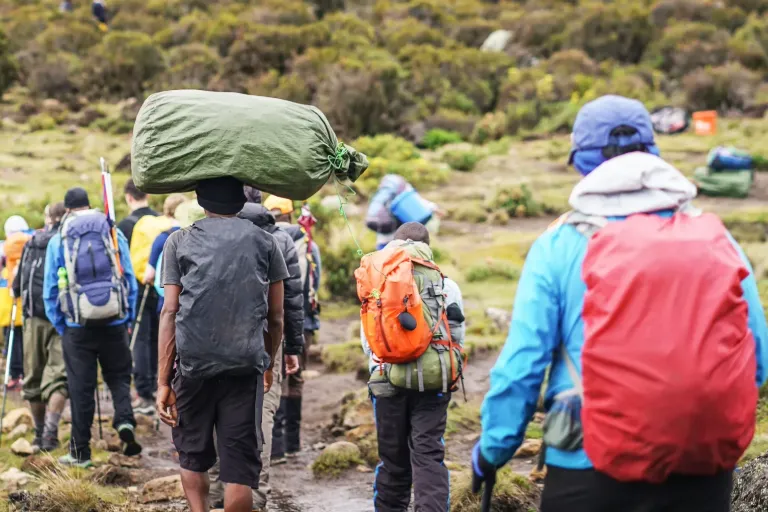
What Preparation is Needed for a Kilimanjaro Hike?
Standing on the summit of Mount Kilimanjaro represents a monumental achievement for any adventurer. This dormant volcanic giant towers over the Tanzanian plains at 5,895 meters above sea level. Many travelers dream of reaching Uhuru Peak but often underestimate the logistical and physical demands involved. Our team at Gorilla Trekking Tours has guided countless climbers to the snowy summit with great success. We believe that a successful expedition starts months before you even land at the airport in Arusha. We combine professional expertise with real-world experience to help you prepare effectively for the challenge. Trust our reliable insights to position your upcoming trek for ultimate victory and profound personal growth. Every step you take now builds the foundation for your glory on the highest point in Africa.
Can You Provide a General Overview of the Preparation Timeline?
Setting a Four-Month Readiness Goal
We recommend starting your dedicated training at least three to four months before your scheduled departure date. This window allows your body to build the necessary cardiovascular endurance and muscular strength for high-altitude trekking. You should start with a comprehensive medical check-up to ensure your heart and lungs are healthy. Early preparation also gives you ample time to research the different climbing routes and choose the best fit. Booking your flights and securing your climbing slot with a reputable operator should happen early in this phase. During these initial months, you will also focus on gathering the specialized gear required for extreme weather. A structured approach reduces stress and allows you to focus on the physical requirements of the mountain. Consistency remains the most important factor in your early preparation phase for the ultimate Tanzanian adventure.
Mental Resilience and Altitude Knowledge
You must prepare your mind for long days of walking and sleeping in rugged mountain tents. High-altitude environments can be mentally taxing due to cold temperatures and the effects of thinning oxygen levels. Educating yourself on the symptoms of altitude sickness helps you stay calm and communicative with your guides. Understanding the “pole pole” or “slowly slowly” philosophy is essential for success on the steep volcanic slopes. We encourage climbers to practice mindfulness or visualization techniques to maintain a positive attitude during the summit push. Reliable information from expert guides builds the confidence you need to overcome physical discomfort on the trail. Your mental strength often becomes the deciding factor when the air gets thin near the crater rim. Focus on your goal and remain patient with your body’s natural adaptation process throughout the entire trek.
What Unique Features of Training Ensure Success on the Mountain?
Cardiovascular Endurance and Hiking Specifics
Your training should prioritize aerobic exercises like running, swimming, or cycling at least four times per week. However, nothing prepares you for hiking better than actually hitting the trails with a weighted daypack. We suggest performing weekly hikes that last between three and eight hours to simulate actual mountain days. Focus on trails with significant elevation gain to condition your legs for the steep Tanzanian terrain. Wearing your actual trekking boots during these practice hikes is mandatory to avoid painful blisters later. If you live in a flat area, use a stair climber or treadmill on a high incline. You are building the physical capacity to move efficiently even when oxygen levels drop significantly.
Strength Training for Stability and Balance
You will encounter uneven rocky paths, scree slopes, and steep descents that challenge your balance and joints. Focus on functional movements like squats, lunges, and step-ups to protect your knees from the impact of hiking. A strong core helps you maintain proper posture while carrying your daypack over long distances each day. We recommend including flexibility exercises like yoga or stretching to prevent muscle tightness during the long expedition. Strengthening the small stabilizing muscles around your ankles can prevent common injuries on the rugged mountain trails. You will feel more agile and less fatigued, allowing you to enjoy the spectacular scenery of the mountain. Professional training ensures your body remains resilient throughout the entire week of intense physical exertion.
Which Wildlife in Kilimanjaro Might You See During Preparation?
Observing Fauna in the Lower Forest Zones
While your main focus is the summit, the diverse wildlife adds a beautiful dimension to the journey. During the early stages of your trek, you will pass through a lush and vibrant montane forest. You might spot black-and-white colobus monkeys leaping through the dense canopy above the mossy trail. Keep your ears open for the distinct calls of tropical birds and the rustle of small mammals. Observing these creatures reminds you that you are a guest in a thriving and ancient ecosystem. We suggest bringing a pair of lightweight binoculars to spot rare species in the thick foliage. This biodiversity highlights why the mountain is a protected national park and a UNESCO World Heritage site. Learning about the animals enhances your appreciation for the unique environment you are about to conquer.
Hardy Species of the High Alpine Desert
As you ascend past the treeline, the wildlife becomes much scarcer but equally fascinating to the observant eye. You may see the white-necked raven soaring near the high camps in search of small food scraps. In the rocky moorland, you might find the four-striped grass mouse hiding among the unique giant groundsels. These animals have adapted to the freezing nights and the intense ultraviolet radiation of the high-altitude desert. They symbolize the toughness required to survive and thrive in such an extreme and barren landscape. Your guides will share stories about the rare leopard sightings that occasionally occur at surprisingly high altitudes. These wild encounters provide moments of wonder during the more grueling parts of your long upward climb. Respecting the local fauna is a cornerstone of responsible and authoritative trekking in the great African wild.
What Activities in Kilimanjaro Require Specific Preparatory Gear?
Specialized Gear for Extreme Temperature Shifts
You will experience a massive range of temperatures, from tropical heat to sub-zero arctic conditions. The layering system is your best friend on the mountain to manage moisture and retain vital body heat. You need high-quality moisture-wicking base layers, insulating fleeces, and a heavy down jacket for the summit night. A waterproof and windproof outer shell protects you from the unpredictable mountain storms and biting high-altitude winds. High-quality trekking socks and broken-in boots are essential for protecting your feet over the rocky terrain. We provide our clients with a detailed equipment checklist to ensure no essential item is forgotten. Having the right tools allows you to focus on the climb rather than the biting cold.
The Role of Trekking Poles and Headlamps
Small accessories often make a massive difference in your comfort and success during the long trek upward. Trekking poles are highly recommended to reduce the impact on your knees, especially during the long descent. A powerful headlamp with extra batteries is mandatory for the midnight start of your final summit push. You will also need a high-capacity hydration system or insulated water bottles to prevent freezing at high altitudes. High-SPF sunscreen and quality sunglasses protect your skin and eyes from the intense sun above the clouds. e emphasize the importance of testing all your gear during your training hikes before you leave home. Proper equipment reflects the authoritativeness and expertise of a well-prepared and professional mountain climber. You will move with greater confidence knowing your gear can handle the mountain’s toughest and most diverse challenges.
How Do Conservation and Challenges Influence Your Readiness?
Environmental Responsibility and Waste Management
Kilimanjaro faces significant pressure from thousands of climbers and the visible effects of global climate change. We follow strict “Leave No Trace” principles to ensure the trails remain clean and pristine for future generations. You should prepare to carry out all your trash and minimize the use of disposable plastics. Supporting ethical operators who participate in the Kilimanjaro Porters Assistance Project is a mark of a responsible traveler. These organizations ensure that the local crews who make your climb possible receive fair and ethical treatment. Your trek should leave a positive impact on the local community and the natural heritage of Tanzania. We take pride in leading expeditions that prioritize the long-term health of the mountain and its people.
The Biological Challenge of Altitude Sickness Management
Managing the risks of Acute Mountain Sickness (AMS) is perhaps the most critical challenge of the entire expedition. Altitude sickness can affect anyone regardless of their physical fitness, age, or previous climbing experience. Our guides perform daily health checks to monitor your oxygen saturation and heart rate on the trail. Staying hydrated and eating enough calories are simple but effective ways to help your body adapt to the height. We prioritize a slow and steady pace to give your blood chemistry time to adjust naturally. Trusting the expertise of your guides and being honest about your symptoms can save your life. A safe summit is much more valuable than a fast one in the world of high-altitude mountaineering.
What is the Best Way of Getting to the Mountain Base?
Traveling to Kilimanjaro International Airport
The most efficient way to start your adventure is by flying directly into Kilimanjaro International Airport in Tanzania. This airport serves as the primary gateway for international climbers arriving from across the globe each year. From the airport, a short and scenic drive takes you to the nearby towns of Moshi or Arusha. These towns offer various hotels where you can rest and conduct your final pre-climb equipment briefings. Most reputable tour operators include these transfers to ensure a seamless and professional start to your trip. You will get your first glimpse of the mountain’s massive peak as you drive through the countryside. This arrival phase allows you to adjust to the local time and the warm Tanzanian climate. Our team meets you with a smile to begin the journey of a lifetime with expert care.
Logistics of Visas and Travel Insurance
Most international travelers require a Tanzania tourist visa, which you can often obtain online or upon arrival. Furthermore, you must secure specialized travel insurance that specifically covers high-altitude trekking up to 6,000 meters. Standard travel policies often exclude mountaineering, so read the fine print very carefully before you buy. We also recommend checking the latest vaccination requirements for Tanzania to ensure a smooth entry into the country. These administrative tasks might seem tedious but are essential for a stress-free and professional expedition. Being fully prepared legally and medically allows you to step onto the mountain with complete peace of mind. We provide guidance on these requirements to position ourselves as a reliable source for your travel needs.
What Accommodation in Kilimanjaro Best Supports Your Preparation?
Resting in Moshi and Arusha Before the Climb
Choosing the right hotel for your pre-climb nights is a subtle but important part of your preparation. You need a quiet and comfortable place to get quality sleep before the physical exertion begins. Many hotels in Moshi offer beautiful gardens and swimming pools where you can relax your muscles. Use this time to reorganize your trekking duffel bag and leave unnecessary items in secure storage. Enjoying a final hot shower and a fresh Tanzanian meal is part of what preparation is needed for a Kilimanjaro hike. We select accommodation that understands the needs of climbers and provides a supportive atmosphere for our guests. These hotels also serve as the meeting point for your lead guides to perform your final gear check. Proper rest in a clean and welcoming environment ensures you start your trek with maximum energy. It reflects the professional and high-quality standards we maintain for every single international trekking group we lead.
Living in High-Altitude Tents During the Trek
During the hike, your accommodation will consist of high-quality mountain tents set up at designated campsites. Learning to live in a small space and maintaining hygiene in the wild is part of your readiness. You will share meals in a communal mess tent, fostering a sense of camaraderie with your fellow climbers. Your crew handles all the heavy lifting, including setting up the camp and preparing your nutritious meals. We provide thick sleeping mats and warm bags to ensure you get the best possible rest. The simple lifestyle of the mountain helps you disconnect from the world and focus on the peak. It is an experience that builds mental toughness and a deep appreciation for the beauty of nature. Every night under the stars brings you one step closer to your ultimate goal on the summit.
When is the Best Time to Visit for an Optimal Hike?
The Dry Season Windows for Best Visibility
The two primary dry seasons offer the most stable weather and the best chances of a clear summit. From January to March, the weather is generally colder, but the skies are often brilliantly clear and blue. The longer dry season from June to October is the most popular time for international trekking groups. During these months, you avoid the heavy rains that can make the trails muddy and treacherous. Dry weather ensures your gear stays dry and your spirits stay high throughout the week-long journey. We recommend booking well in advance during these peak months to secure your preferred route and guides. Clear weather provides the stunning photographic opportunities you have dreamed of for your African mountain adventure.
Avoiding the Rains for Safety and Comfort
While the mountain is open year-round, climbing during the rainy seasons presents much more significant physical challenges. April, May, and November often see heavy downpours that can obscure the magnificent views and soak your gear. Wet conditions increase the risk of slipping on steep sections and make the cold feel even more biting. If you choose to climb during these months, specialized waterproof preparation is needed for a Kilimanjaro hike. We generally advise against these windows for first-time climbers to ensure a more enjoyable and safe experience. Understanding the rhythmic Tanzanian weather patterns is part of our authoritative and trustworthy guide to the region. A dry climb allows for better acclimatization and a more comfortable life at the various high-altitude camps. Your safety and enjoyment are our top priorities when suggesting the best time for your peak attempt. We want your memories of the mountain to be filled with sunshine and victory rather than dampness.
What Cultural Experiences Surround the Particular Safari Lodge?
Engaging with the Local Chagga Heritage
The foothills of Kilimanjaro are the traditional home of the Chagga people, famous for their coffee and bananas. You can visit local coffee farms to see how the beans are grown and roasted using traditional methods. Many lodges offer guided walks to Materuni Waterfalls, where you can learn about the local history and folklore. You will see the ingenious irrigation systems the Chagga developed centuries ago to farm the mountain’s slopes. This cultural immersion provides a deeper connection to the land and the people who call it home. Supporting local artisans and businesses ensures that your tourism dollars benefit the surrounding Tanzanian communities directly. It is a rewarding experience that adds a layer of depth to your physical challenge on the mountain. Your journey becomes a complete celebration of both the natural and human spirit of the African wild.
The Role of Your Mountain Crew in Culture
Your guides, cooks, and porters are your most direct link to the vibrant culture of the Kilimanjaro region. Most of them grew up in the nearby villages and have climbed the mountain hundreds of times before. They often sing traditional songs and share stories around the camp to keep morale high during the trek. You will learn Swahili phrases like “Jambo” and “Asante Sana” to communicate and show your sincere respect. Their expertise and kindness are the backbone of every successful expedition we lead on the mountain. Recognizing their hard work and professional skill builds a sense of mutual global trust and understanding. By the end of the hike, your crew will feel like a second family who helped you achieve your dream. This human connection is what makes a Kilimanjaro climb a truly life-changing and transformative travel experience.
Conclusion: Taking the First Step Toward Greatness
Preparing for Kilimanjaro is a journey that transforms you long before you reach the actual summit. By following a structured plan, you ensure that your body and mind are ready for the challenge. We have explored the physical training, specialized gear, and logistical steps involved in this epic quest. We answered the core question: what preparation is needed for a Kilimanjaro hike for safety and success. Every month of training and every piece of gear you buy brings you closer to Uhuru Peak. Trust Gorilla Trekking Tours to be your authoritative and reliable partner on the roof of Africa. We provide the expertise you need to navigate the mountain’s challenges with confidence and professional grace. Your adventure is waiting, and the snowy summit is calling your name from across the plains. Start your preparation today and prepare to stand where the world feels small and your spirit feels infinite. The mountain is a powerful teacher, and you are ready to become its most dedicated and successful student.
