
What’s the Best Route to Climb Mount Kilimanjaro?
April 28, 2026
What Preparation is Needed for a Kilimanjaro Hike?
April 28, 2026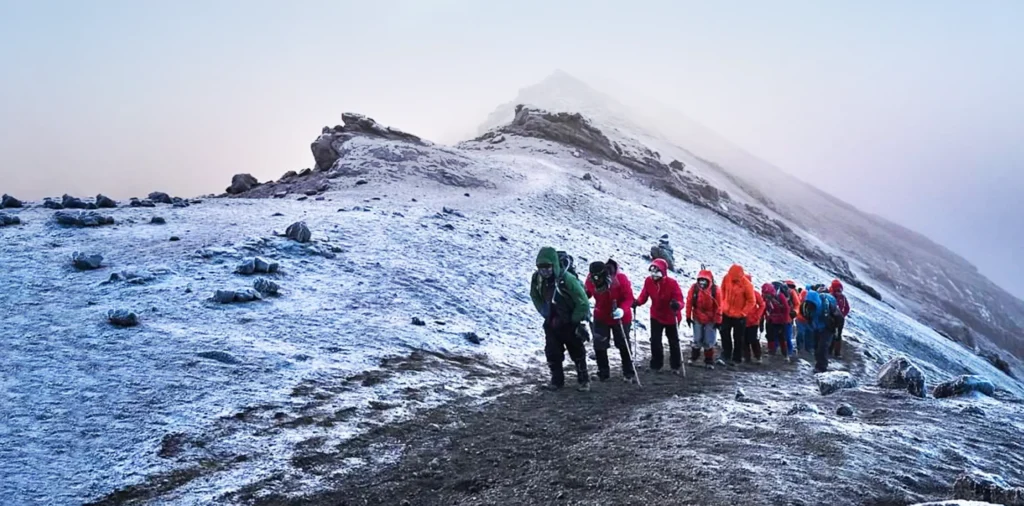
Can You Recommend a Guided Tour Operator for Kilimanjaro Climbs?
Standing at the base of Mount Kilimanjaro evokes a profound sense of awe and personal challenge for every traveler. This dormant volcano represents the highest point on the African continent and the tallest free-standing mountain in the world. Thousands of ambitious trekkers arrive in Tanzania each year to test their physical limits and witness the sunrise. However, the success of your expedition depends entirely on the logistical team supporting your every single step upward. Choosing the right partner is the most critical decision you will make during your entire trip planning process. At Gorilla Trekking Tours, we pride ourselves on providing the most authoritative and trustworthy advice for mountain enthusiasts globally. We understand that safety, equipment quality, and professional guiding make the difference between a summit and a forced descent. Our mission is to guide you toward operators who prioritize ethical treatment and high success rates above all else.
What is a General Overview of Selecting a Kilimanjaro Guide?
The Importance of Professional Accreditation
Selecting a guide for Kilimanjaro involves much more than simply comparing prices on a colorful travel website. You must look for companies that hold active memberships in recognized industry safety and ethical organizations locally. The Kilimanjaro Porters Assistance Project (KPAP) serves as the primary watchdog for fair labor practices on the mountain. Choosing a KPAP-certified operator ensures that your porters receive fair wages, proper clothing, and nutritious meals every day. Furthermore, professional guides should hold certifications in Wilderness First Responder (WFR) training to handle high-altitude medical emergencies. Expert operators also provide high-quality camping gear that withstands the freezing temperatures of the summit zones safely. Reliability and transparency in their booking process indicate a trustworthy partner for your once-in-a-lifetime African mountain expedition.
Evaluating Success Rates and Safety Protocols
Safety protocols represent the backbone of any successful high-altitude trekking operation on Mount Kilimanjaro today. Top-tier operators perform twice-daily health checks using pulse oximeters to monitor your oxygen saturation levels and heart rate. They carry emergency oxygen cylinders and specialized hyperbaric bags on every single trek to treat acute mountain sickness. These companies also maintain a high guide-to-climber ratio to ensure personalized attention and safety for every group member. A high summit success rate usually reflects a company’s commitment to slow acclimatization schedules rather than rushing the climb. These professional standards protect your health while maximizing your chances of standing at the iconic Uhuru Peak sign. Trustworthy brands build their reputations on these consistent results and satisfied, healthy trekkers returning home safely.
What are the Unique Features of Top-Rated Kilimanjaro Operators?
Ethical Porter Treatment and Community Impact
The unique features of the best Kilimanjaro operators center on their deep commitment to social responsibility and community support. Ethical treatment of mountain crews remains a distinguishing factor that separates elite companies from budget-focused, low-quality outfitters. These top-rated operators ensure that porters do not carry loads exceeding the legal limit of twenty kilograms per person. They also provide comprehensive insurance and medical care for their staff, fostering a loyal and highly motivated trekking team. A happy and well-fed crew creates a positive atmosphere that significantly enhances your overall mountain trekking experience. Furthermore, these companies often invest in local education and environmental conservation projects to benefit the surrounding Tanzanian communities. This holistic approach builds long-term authority and trust within the competitive African tourism industry for years to come.
Superior Equipment and Nutritional Planning
Elite operators distinguish themselves through the quality of the physical equipment and the nutrition they provide during the trek. They invest in four-season, mountain-hardened tents that offer superior protection against the high-altitude winds and freezing nightly snow. You will enjoy a dedicated mess tent with comfortable chairs and tables for social dining after a long climb. Their mountain chefs specialize in high-calorie, nutritious meals that cater to varying dietary requirements and fading high-altitude appetites. They prioritize hydration by providing unlimited purified water and warm beverages to keep your body functioning at its peak. These logistical details prevent physical exhaustion and help your body recover during the crucial resting hours at high camps. Professionalism in the kitchen and the campsite reflects the overall expertise of the entire management team back in Arusha.
Which Wildlife in Kilimanjaro Can You Spot During Your Climb?
Fauna of the Rainforest and Moorland Zones
Mount Kilimanjaro hosts a surprising variety of wildlife within its lower ecological zones that many trekkers often overlook completely. As you begin your trek in the montane rainforest, keep your eyes open for the beautiful black-and-white colobus monkeys. You may hear the distinctive, loud calls of the silvery-cheeked hornbill echoing through the dense canopy above your trail. In the moorland zone, you might spot the hardy four-striped grass mouse darting between the unique giant lobelia plants. Smaller predators like the serval cat and the side-striped jackal occasionally roam these high-altitude grassy slopes under the moon. They can identify bird calls and animal tracks, adding a fascinating educational layer to your grueling physical journey upward. This wildlife adds vibrant life to the early stages of your ascent toward the barren, icy volcanic summit.
Surviving the High-Altitude Alpine Desert
Wildlife sightings become much rarer as you ascend into the harsh conditions of the alpine desert and arctic zones. High-altitude birds like the white-necked raven and the Alpine swift are some of the few creatures seen here. These resilient species have adapted to the thin air and extreme temperature fluctuations found at four thousand meters high. Occasionally, researchers find evidence of larger animals, like leopards or elands, venturing surprisingly high onto the mountain’s volcanic slopes. However, the primary focus remains on the unique, endemic flora like the prehistoric-looking giant groundsels that dominate the rocky landscape. They ensure that your presence does not disturb the rare species that call this extreme vertical wilderness their home. Observing these survivors of the cold provides a humbling perspective on life’s incredible tenacity in the highest African altitudes.
What Activities in Kilimanjaro Enhance Your Trekking Journey?
Photography and Geological Exploration
While reaching the summit is the primary goal, several activities can significantly enhance your appreciation for the mountain’s grand scale. Photography enthusiasts will find endless inspiration in the shifting light across the glaciers and the vast, golden Shira Plateau. You can capture the dramatic contrast between the lush green rainforest and the stark, lunar-like landscape of the high saddle. Professional guides offer fascinating insights into the mountain’s volcanic history, explaining the formation of the three distinct volcanic cones. You will learn about the melting glaciers and the geological forces that created the deepest craters on the mountain. Understanding the ground beneath your boots makes every grueling step feel much more meaningful and historically significant. These activities turn a simple physical challenge into a comprehensive intellectual and visual exploration of African natural history.
Stargazing and High-Altitude Reflection
The night sky above the clouds on Kilimanjaro offers some of the most spectacular stargazing opportunities on the entire planet. Far from any light pollution, the Milky Way appears with astonishing clarity and brilliance above your high-altitude base camp. Many trekkers use the quiet evening hours for personal reflection and mental preparation for the upcoming midnight summit push. The thin air and immense silence of the mountain create a perfect environment for deep meditation and inner peace. Your guides often share local legends and stories about the mountain’s spiritual significance to the indigenous Chagga people nearby. A good operator provides a supportive environment that encourages this mental fortitude and appreciation for the celestial beauty above. These quiet moments under the stars often become the most cherished and profound memories of the entire expedition.
How Do Conservation and Challenges Affect Kilimanjaro Today?
Environmental Preservation and Waste Management
Mount Kilimanjaro faces significant environmental challenges due to its popularity and the visible impacts of global climate change. The iconic glaciers at the summit are shrinking rapidly, serving as a stark reminder of the planet’s warming weather patterns. Furthermore, the high volume of trekkers requires strict waste management protocols to keep the trails clean and the water pure. Reputable operators follow “Leave No Trace” principles, ensuring that all trash and human waste is carried off the mountain. They participate in annual mountain clean-up operations and educate their clients on the importance of preserving this delicate ecosystem. Protecting the mountain’s integrity ensures that future generations can also enjoy the thrill of reaching the Roof of Africa. Responsible tourism is the only way to mitigate the human impact on this beautiful and fragile volcanic monument.
The Socio-Economic Challenges of Mountain Tourism
The tourism industry around Kilimanjaro provides vital income for thousands of local Tanzanian families living in the surrounding fertile foothills. However, this creates a dependency that can lead to exploitation if not managed with high professional and ethical standards. Some budget operators cut corners on safety and porter welfare to offer lower prices to unsuspecting international travelers. This practice undermines the entire industry’s authority and harms the very people who make the climbs possible for everyone. Leading companies work to formalize the mountain labor market and provide vocational training for their guides and porters alike. Supporting ethical companies helps professionalize the industry and ensures fair treatment for the backbone of every mountain expedition. Your travel dollars can be a powerful tool for positive change in the lives of the local mountain communities.
What is the Best Way of Getting to the Mountain Base?
Arrival via Kilimanjaro International Airport
The most convenient and professional way to begin your Kilimanjaro adventure is by flying into Kilimanjaro International Airport (JRO). This modern facility serves as the primary hub for all international trekkers arriving from Europe, North America, and beyond. From the airport, a pre-arranged transfer will whisk you to your hotel in the nearby towns of Moshi or Arusha. These towns offer a wide range of accommodation where you can rest and prepare your gear before starting. Most top-rated operators include these airport transfers as part of their all-inclusive, high-quality trekking packages for your comfort. Starting your journey with a smooth arrival sets a positive tone for the challenging days that lie ahead on the slopes. Our team at Gorilla Trekking Tours ensures that every detail of your arrival is handled with expert care.
Ground Transportation to the Trailhead Gates
Once you have completed your pre-climb briefing, your operator will transport you to the specific entry gate for your route. The drive from Moshi to the Machame or Marangu gates is relatively short and takes you through lush coffee plantations. For those choosing the Lemosho or Northern Circuit routes, the drive to the western side of the mountain is longer. You will travel in sturdy 4×4 vehicles capable of navigating the bumpy and sometimes muddy roads leading to the park. These drives offer a final glimpse of rural Tanzanian life before you step into the high-altitude wilderness for a week. Reliable transportation ensures that you arrive at the trailhead on time and with all your heavy expedition gear intact. Professionalism in these ground operations reflects the company’s overall commitment to a well-organized and successful mountain trek.
What Accommodation in Kilimanjaro Fits Your Trekking Style?
The Experience of High-Altitude Camping
Most routes on Kilimanjaro involve sleeping in specialized mountain tents at designated campsites located at varying altitudes on the slopes. These camps offer a true wilderness experience where you can fully immerse yourself in the mountain’s raw and powerful atmosphere. Your crew will arrive at the camp before you to set up the entire site, including sleeping and dining tents. High-quality operators provide thick, insulated sleeping mats and heavy-duty sleeping bags designed for sub-zero temperatures at high camps. You will share stories with fellow trekkers in the mess tent while enjoying a hot meal prepared by the chef. Comfortable and reliable accommodation is essential for getting the rest needed to tackle the physical demands of the next day. This camping lifestyle fosters a deep sense of camaraderie and shared adventure among everyone in your trekking group.
Staying in the Marangu Route Huts
The Marangu Route offers a unique alternative by providing permanent wooden A-frame huts for accommodation instead of the usual mountain tents. These huts offer basic bunk beds with mattresses and communal dining areas, providing more protection from the wind and rain. However, this route is often more crowded and follows a steeper ascent profile that can impact your acclimatization success. Many serious trekkers prefer the flexibility and solitude of the camping routes despite the extra logistical effort required by the crew. Regardless of your choice, the quality of your operator’s camp management remains the most critical factor for your nightly comfort. Both offer different ways to experience the mountain, and your operator should provide expert guidance on which fits your needs. Your nightly rest is the fuel that will eventually carry you to the snowy summit of the mountain.
When is the Best Time to Visit for a Successful Climb?
The Ideal Dry Season Windows
Choosing the right time of year is crucial for a safe and enjoyable climb to the summit of Mount Kilimanjaro. The two primary dry seasons offer the clearest skies and the most stable weather conditions for high-altitude mountain trekking. From January to March, the weather is generally colder but offers spectacular, clear views of the snow-capped peak and glaciers. The second dry season from June to October is the most popular time, characterized by warmer days and very little rain. During these months, the trails are in peak condition, and the summit success rates are consistently at their highest levels. Clear visibility and dry conditions make the physical challenge much more manageable and significantly safer for everyone on the mountain. We help you time your visit to maximize your chances of witnessing a glorious sunrise from Uhuru Peak.
Climbing During the Challenging Rainy Seasons
The rainy seasons, occurring from April to May and during November, present much more significant challenges for even the most experienced trekkers. The trails can become extremely muddy and slippery, making the climb physically exhausting and potentially dangerous for some hikers. Thick clouds often obscure the mountain’s iconic views, and you may find yourself trekking through heavy rain for several consecutive days. However, the mountain is much quieter during these months, offering total solitude for those who don’t mind the wet conditions. Most professional operators discourage climbing during the peak rains due to the increased safety risks and lower overall comfort levels. A well-timed climb ensures that you experience the mountain’s beauty in the best possible light and under the safest conditions. Our goal is to ensure you have a successful and memorable journey to the highest point in Africa.
What Cultural Experiences Surround Your Kilimanjaro Adventure?
Interacting with the Local Chagga People
The foothills of Kilimanjaro are the ancestral home of the Chagga people, famous for their advanced agricultural skills and coffee production. You can visit local coffee farms to see how the beans are grown, harvested, and roasted using traditional Tanzanian methods. Many operators can arrange a visit to the Materuni Waterfalls, where you can learn about the local history and folklore. You will see the ingenious irrigation systems and the lush banana groves that sustain the communities living on the mountain’s edge. This cultural interaction provides a vital human context to your mountain climb and supports the local rural economy directly. It allows you to connect with the people who have lived in the shadow of the mountain for many centuries. These stories and smiles add a rich, soulful dimension to your overall African travel experience that you will never forget.
The Vibrant Atmosphere of Moshi and Arusha
Spending a day or two in the gateway towns of Moshi or Arusha allows you to experience the modern pulse of Tanzania. You can explore the bustling local markets where vendors sell everything from colorful African fabrics to fresh tropical fruits and spices. It is an excellent opportunity to sample local culinary delights like “Nyama Choma” or “Ugali” in a friendly, authentic setting. These towns are melting pots of culture where you can meet fellow adventurers from every corner of the globe. You can visit social enterprises and art galleries that showcase the incredible talent and creativity of the local Tanzanian people. A good operator will provide suggestions for the best local spots to visit and ensure you have a safe and enjoyable time. This cultural immersion rounds out your trip, making it a complete celebration of Tanzanian nature, history, and modern hospitality.
Conclusion: Reaching New Heights with the Right Partner
Conquering Mount Kilimanjaro is a monumental achievement that will stay with you for the rest of your life. However, this success is never a solo effort but the result of a dedicated and professional support team. By focusing on safety, ethics, and expertise, you can choose a partner that ensures your journey is successful and meaningful. Companies like Altezza Travel, Climbing Kilimanjaro, and Gorilla Trekking Tours represent the absolute gold standard in African mountain trekking. They provide the necessary authority and trustworthiness to guide you through the extreme conditions found on the mountain. Your choice of operator directly impacts your safety, your success, and the well-being of the local mountain crews. Trust in the experience of those who live and breathe the mountain air every single day. The Roof of Africa is waiting for you, and with the right guide, the summit is within your reach. Prepare for the challenge, respect the mountain, and get ready for an adventure that will change your world forever.
