

What Wildlife Can I Expect to See in Arusha?
April 21, 2026
What’s the Best Time to Visit Tarangire for Large Elephant Sightings?
April 24, 2026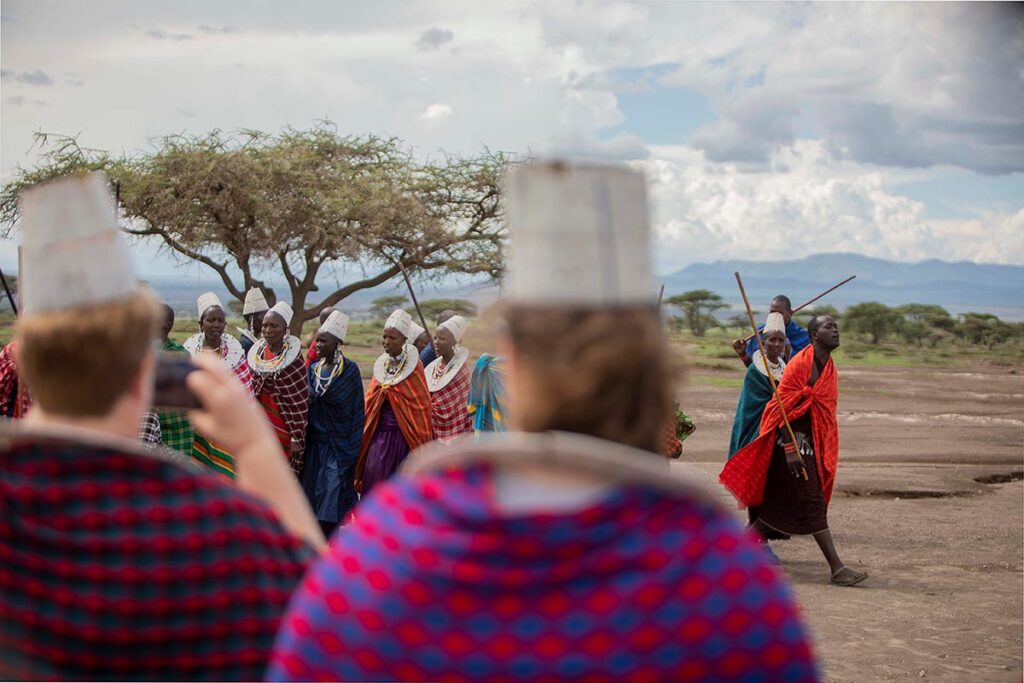
Are There Any Cultural Experiences Available in Arusha?
Arusha stands as the vibrant gateway to the most iconic wildlife destinations in Northern Tanzania. Most travelers view this bustling city merely as a brief transit point for the Great Migration. However, Arusha hides a deep well of human history and diverse ethnic traditions within its borders. You will discover that the city breathes life through its people, markets, and ancient ancestral customs. It offers a rare chance to connect with the heart of East Africa before hitting the bush. From the slopes of Mount Meru to the busy city center, culture defines every single street corner. You can witness the harmonious blend of tribal heritage and modern urban growth in one afternoon. Our team at Gorilla Trekking Tours believes that human connection enriches every single safari adventure. We invite you to explore the rich social fabric that makes this region truly unique and special. Let us guide you through the immersive encounters that define the spirit of the Tanzanian people.
Can You Provide a Broad Overview of the Cultural Landscape?
The Melting Pot of East African Heritage
Arusha serves as a massive melting pot for over one hundred distinct Tanzanian ethnic groups. You will primarily encounter the Wa-arusha and Meru people who originally settled these fertile volcanic highlands. These communities have farmed the slopes of Mount Meru for many generations with great success. Additionally, the iconic Maasai people bring their vibrant red robes and pastoral traditions to the city’s fringes. This diversity creates a rich tapestry of languages, colorful clothing styles, and delicious culinary traditions. You can hear the rhythmic sounds of Swahili mixing with various tribal dialects in the local markets. The city acts as a bridge between ancient nomadic lifestyles and the rapidly developing modern world. Understanding this complexity helps you appreciate the depth of the local Tanzanian social structure today. You will find that every resident has a story rooted in the African soil.
Tradition Meets Modernity in the City Center
The urban landscape of Arusha reflects a fascinating history of colonial influence and African resilience. You will see old German bomas standing alongside modern glass buildings and busy shopping centers. The Clock Tower marks the exact center point between Cairo and Cape Town in Southern Africa. This landmark symbolizes the city’s importance as a central hub for the entire African continent. You can explore art galleries that showcase the famous Tinga Tinga painting style with pride. These vibrant artworks capture the movement of wildlife and the essence of daily village life perfectly. Local artisans transform recycled materials into beautiful home decor and stunning jewelry at every turn. The city’s energy is infectious and offers a stark contrast to the quiet of the plains. Every interaction provides a window into the evolving identity of a growing and proud nation.
What are the Unique Features of the Maasai Boma Visits?
Stepping into the World of the Red Nomads
A visit to a traditional Maasai Boma offers one of the most iconic cultural encounters in Africa. You will enter a circular village protected by a thick fence made of thorny acacia branches. The Maasai people welcome guests with deep, rhythmic songs and impressive high-jumping dances called the Adumu. You can see their unique homes, called Manyattas, which women build using mud, sticks, and cow dung. Inside, the cool and dark atmosphere provides a sharp contrast to the bright Tanzanian sun outside. You will learn about their deep spiritual connection to cattle and the vast savannah lands. Their beadwork tells complex stories of age, status, and important life achievements within the tribe. This experience challenges your perceptions of wealth and happiness in a very profound and moving way. You will feel the warmth of a community that guards its ancient heritage with fierce pride.
Learning the Ancient Wisdom of the Plains
Maasai warriors often share their vast knowledge of medicinal plants and animal tracking with curious visitors. You can watch them start a fire using only two wooden sticks and dry grass. This skill demonstrates their incredible resourcefulness in the rugged and often harsh wild environments of Africa. They explain the importance of the “Moran” stage, where young men prove their bravery and strength. You might participate in a traditional bead-making session with the village women under a shady tree. This direct interaction fosters a sense of global community and mutual respect between different cultures. You gain a reliable source of insight into how humans have coexisted with nature for centuries. Their stories highlight the challenges of maintaining tradition while embracing the benefits of modern education.
Which Wildlife in Arusha Can You Learn About Through Local Tribes?
The Spiritual Connection Between People and Animals
Local tribes like the Wa-arusha possess a deep and spiritual understanding of the surrounding African wildlife. They view animals not just as resources, but as essential neighbors in a shared ecosystem. You will hear legends about the cleverness of the hare and the great wisdom of the elephant. These stories serve as moral lessons for the younger generations within the village communities. Your local guide might explain how certain birds signal the arrival of the rainy season. They use the sounds of the bush to navigate and predict changes in the natural environment. This traditional ecological knowledge is a vital part of the broader Tanzanian conservation effort today. It provides a unique perspective that you simply cannot find in a standard biology textbook. You begin to understand the invisible threads that connect the people to the animals.
Conservation Secrets from the Ancestors
Tribal elders often share ancient secrets about living harmoniously with dangerous predators like leopards and hyenas. They use specific natural barriers and scents to protect their livestock from night attacks in the bush. This expertise is part of a long history of human-wildlife coexistence on the Mount Meru slopes. You can learn how they harvest honey from wild bees without harming the essential insect colonies. Their farming techniques prioritize the health of the soil to ensure food security for future years. This sustainable approach to land management is a lesson in environmental stewardship for the whole world. You will appreciate the resilience of communities that have thrived in the wild for thousands of years. Their lives are a testament to the power of observation and adaptation in nature. These insights position the local people as the true guardians of the African wilderness.
What Activities in Arusha Provide the Best Cultural Immersion?
The Aromatic Journey of a Coffee Plantation Tour
The fertile volcanic soil on the slopes of Mount Meru produces some of the world’s finest coffee. You can join a guided tour of a local organic coffee farm to see the process. You will walk through rows of lush green bushes covered in bright red coffee cherries. The farmers show you how they pick, hull, and dry the beans using traditional hand methods. You get to roast the beans over an open fire until they turn a dark chocolate brown. The smell of fresh Tanzanian coffee filling the mountain air is truly an unforgettable sensory experience. You then grind the roasted beans using a large wooden mortar and a heavy pestle. Finally, you enjoy a cup of the freshest coffee you have ever tasted in your life. It connects you to the hardworking spirit of the Tanzanian agricultural community.
Crafting Hope at the Shanga Foundation
The Shanga Foundation offers a truly inspiring and interactive cultural experience for socially conscious world travelers. This unique social enterprise employs Tanzanians with various disabilities to create high-quality, beautiful handmade crafts. You can watch talented artisans blow recycled glass into stunning beads, ornaments, and delicate glassware items. They also practice traditional weaving and metalwork using discarded materials found within the city of Arusha. You have the opportunity to try your hand at some of these creative and rewarding skills. The foundation provides a supportive environment that focuses on ability and talent rather than physical limitations. Every purchase you make directly supports the livelihoods and medical needs of these incredible local artists. This visit highlights the compassionate side of Arusha’s modern community and its dedication to social inclusion. You will leave feeling inspired by the creativity and resilience of the Shanga team.
How Can You Navigate the Conservation and Challenges of Cultural Sites?
Protecting Tradition in a Rapidly Changing World
Cultural sites in Arusha face the significant challenge of staying authentic while catering to increasing tourist numbers. Rapid urbanization often puts pressure on traditional lands used by the Maasai and other local tribal groups. Many communities work hard to balance the income from tourism with the need to preserve their privacy. They must ensure that cultural visits do not turn into “human zoos” for the entertainment of others. Responsible tour operators focus on high-quality, respectful exchanges that benefit both the hosts and the guests equally. You should always ask for permission before taking photographs of people or their private homes and property. Supporting community-led tourism projects ensures that the money stays within the village to fund schools and clinics. This approach helps protect the cultural integrity of the region for many future generations of travelers. Yes, if you choose your guides and destinations with care and respect.
Addressing the Environmental Footprint of Cultural Tourism
Increased foot traffic to remote villages can sometimes lead to environmental degradation and waste management issues locally. Many cultural centers are now implementing eco-friendly practices to minimize their impact on the fragile African land. They use solar energy for lighting and promote the use of reusable water bottles among their guests. Some projects focus on teaching local youth about the importance of waste recycling and environmental protection programs. This helps the community maintain a clean and healthy living environment while welcoming visitors from around the world. These efforts build trust and expertise in managing the intersection of human culture and natural beauty. You can play a part by following the guidelines provided by your professional cultural guide. This partnership ensures that Arusha remains a reliable source of authentic African experiences for everyone to enjoy. Conservation and culture are two sides of the same precious coin in Tanzania.
What is the Best Way of Getting to Arusha’s Cultural Hotspots?
Navigating the City with Ease and Safety
Most of Arusha’s primary cultural attractions are located within a short drive of the city’s major hotels. You can easily hire a registered taxi or use a reputable tour operator for your daily excursions. The local “Dala-Dala” minibuses offer a very authentic and budget-friendly way to travel like a local. However, these can be quite crowded and may be difficult for first-time visitors to navigate alone. Many cultural sites, like the Cultural Heritage Centre, sit on the main roads leading out of town. This makes them a perfect stop as you head toward the national parks for your safari. You will find that the people are generally very helpful and willing to give you directions. It is always wise to travel with a local guide who understands the city’s complex geography well. Your transport choice sets the tone for a relaxed and enjoyable day of discovery.
The Scenic Journey to the Mountain Villages
To reach the more remote Maasai Bomas and coffee plantations, you will need a sturdy 4×4 vehicle. The roads leading up the slopes of Mount Meru can be quite bumpy and steep in places. This journey offers spectacular views of the lush green valleys and the towering volcanic peak above you. You will pass through vibrant local markets and see children walking to school in their neat uniforms. The drive itself is a fascinating cultural experience that reveals the daily rhythms of rural Tanzanian life. Your driver will often stop to point out interesting landmarks or share a local story with you. This transition from the noisy city to the quiet mountain air is refreshing and deeply peaceful. Arriving at a village after a scenic drive makes the warm welcome even more special.
What Accommodation in Arusha is Best for Cultural Lovers?
Lodges That Celebrate Tanzanian Art and Design
Many lodges in Arusha prioritize cultural immersion by incorporating local art and traditional design into their beautiful properties. You might stay in a room decorated with authentic Maasai fabrics and hand-carved wooden furniture items. Some hotels feature on-site galleries that showcase the work of talented local painters and master sculptors. These establishments often employ staff from the surrounding villages who are happy to share their rich culture. You can enjoy traditional Tanzanian meals prepared with fresh ingredients sourced directly from the nearby local markets. Some lodges even host evening performances by local dance troupes or traditional storytellers around a roaring fire. This creates a seamless cultural experience that continues even after you return from your daily city tours. choose a lodge that lives and breathes tradition. It turns your accommodation into a reliable source of cultural education and comfort.
Staying in the Heart of the Community
For a truly immersive experience, you might choose a guesthouse located within a vibrant local neighborhood or suburb. These smaller properties allow you to hear the sounds of the neighborhood and smell the local cooking. You can walk to the nearest small shop and practice your basic Swahili greetings with the friendly neighbors. Many of these guesthouses are family-run and offer a level of personal hospitality that large hotels cannot match. They provide a safe and authoritative base for exploring the less-visited corners of the city of Arusha. You will find that staying in the heart of the community enriches your understanding of modern Tanzanian life. This choice supports the local economy directly and fosters genuine friendships between travelers and their local hosts. Your stay becomes a meaningful part of the city’s social fabric and daily life.
When is the Best Time to Visit Arusha for Cultural Events?
The Vibrant Energy of Local Festivals and Holidays
The dry season between June and October is generally the best time for outdoor cultural activities and tours. During these months, the weather is clear and pleasant for walking through markets and visiting remote mountain villages. You can also time your visit to coincide with major Tanzanian holidays like Saba Saba in July. This “Seven-Seven” festival celebrates the founding of the national political party with massive trade fairs and music. Farmers from all over the region bring their best produce and livestock to the city to show and sell. The streets come alive with parades, traditional dances, and incredible local food stalls for everyone to enjoy. This is a fantastic time to see the modern and traditional worlds collide in a joyful celebration. The city transforms into a massive stage for national pride and cultural expression.
The Intimate Charm of the Green Season
The “Green Season” from November to May offers a quieter and more intimate look at Arusha’s cultural life. With fewer tourists around, you can enjoy more personalized interactions with the local artisans and tribal village elders. This is the time when the landscape is lush and the coffee plantations are in full bloom. You might witness traditional planting ceremonies that celebrate the arrival of the much-needed seasonal rains in Tanzania. The rain often falls in short, dramatic bursts, leaving the air fresh and the colors incredibly vibrant. You can spend the rainy afternoons exploring indoor sites like the massive Cultural Heritage Centre or the Shanga workshops. This season provides a sense of peace and authenticity that the busy peak months sometimes lack. They offer a deep and reliable source of cultural insight without the large crowds.
What Cultural Experiences Surround the Arusha Safari Lodges?
Walking Tours of the Local Markets
Most lodges can organize a guided walking tour of the nearby local markets for their interested guests. This is a sensory explosion of bright colors, loud bargaining, and the spicy scents of East African cloves. You can see piles of exotic tropical fruits, fresh vegetables, and massive bags of dried beans and grains. Your guide will explain the uses of different traditional herbs and spices in Tanzanian home cooking. You might see a local tailor sewing a bright “Kanga” cloth into a beautiful dress on the spot. This is the perfect place to practice your bargaining skills and buy authentic souvenirs at fair prices. The market is the true heart of any Tanzanian town and reveals the community’s industrious and friendly spirit. It is a raw and honest look at the daily struggle and success of the local people.
Interactive Tribal Experiences with the Wa-arusha
Many lodges located on the foothills of Mount Meru offer specialized tours to meet the local Wa-arusha people. You can visit their small-scale farms and see how they manage irrigation on the steep mountain slopes. They often invite guests to help with daily chores like grinding maize or fetching water from the spring. This hands-on experience provides a deep appreciation for the hard work required to live off the land. You will learn about their unique social structures and the important role of the village elders in decision-making. The Wa-arusha have a rich history of resilience and adaptation that is truly inspiring to hear about. These encounters are conducted with the highest level of expertise and respect for the local community’s privacy. You leave with a better understanding of the human side of the African wilderness.
Conclusion: Why Arusha’s Culture is the Heart of Your Safari
Arusha is far more than just a stop on the way to see the famous “Big Five.” It is a place where the human spirit shines through ancient traditions and modern creative social projects. You will find that the cultural experiences here are as diverse and colorful as the wildlife itself. From the high-jumping Maasai to the quiet coffee farmers, the people make the place truly special. Engaging with the local culture builds expertise and a deeper love for the beautiful nation of Tanzania. You become a more informed and compassionate world traveler by stepping outside the safari vehicle for a day. We hope this guide has inspired you to explore the rich social landscape of this mountain city. The memories of a shared laugh in a market often last longer than a distant lion sighting. Are there any cultural experiences available in Arusha? The answer is a resounding yes, and they are waiting to welcome you with open arms. Trust in the local hospitality and let the heart of Africa beat in time with your own. Your Tanzanian journey is incomplete without the stories of the people who call this land home. Karibu Arusha—you are most welcome to discover our traditions today.
