

What Is the Best Way to Experience the Ngorongoro Crater?
April 16, 2026
What Wildlife Can I Expect to See in Ngorongoro?
April 16, 2026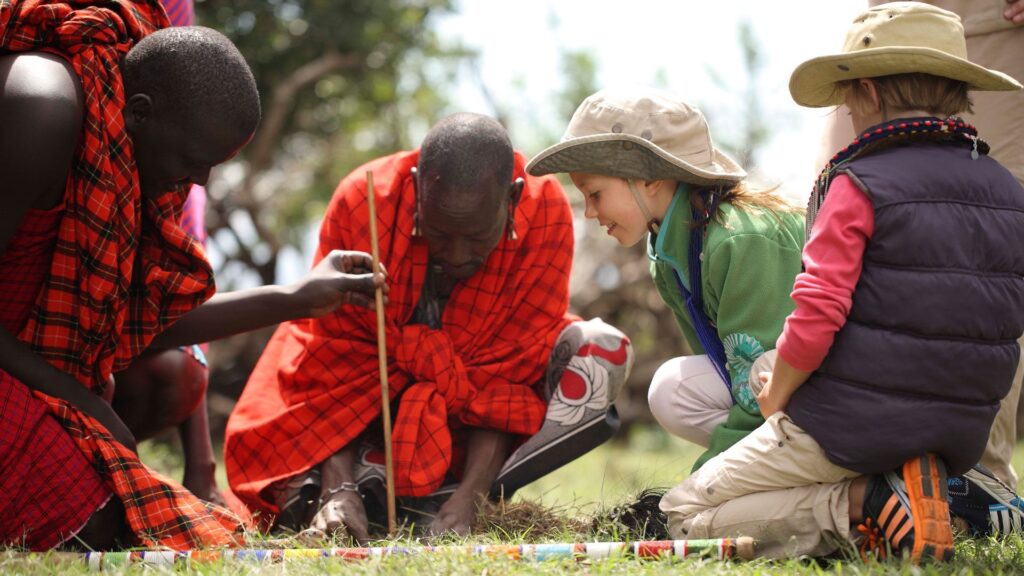
Can I Do a Cultural Visit to a Maasai Village in Ngorongoro?
Can I do a cultural visit to a Maasai village in Ngorongoro and truly connect with Africa’s living traditions? The Ngorongoro Conservation Area offers a rare opportunity to combine safari adventures with deep cultural immersion. Visitors explore breathtaking landscapes while engaging with one of Africa’s most iconic communities.
A well-planned visit introduces travelers to traditions that have shaped East Africa for centuries. Guests experience authentic interactions that highlight resilience, identity, and harmony with nature. These encounters enrich the overall safari journey.
Can I do a cultural visit to a Maasai village in Ngorongoro while ensuring respect and authenticity? Gorilla Trekking Tours designs cultural experiences that prioritize dignity and mutual understanding. Each visit reflects ethical tourism values and promotes community empowerment.
Overview of Cultural Visits
Understanding Cultural Safari Experiences
Most tours include cultural visits as a complementary activity alongside wildlife exploration. Travelers access villages located near key routes such as the Serengeti corridor and Seneto Gate. These visits fit seamlessly into both short and extended safari plans.
Professional tour operators handle all arrangements, including transport and scheduling. Guides coordinate directly with local communities to ensure smooth and respectful visits. This approach guarantees a stress-free experience.
Accessibility and Planning
Cultural experiences remain available throughout the year, making them flexible additions to any itinerary. Visitors can include them during game drives or as standalone activities.
Gorilla Trekking Tours ensures that knowledgeable guides accompany every visit. These guides provide context and facilitate meaningful interactions between visitors and community members.
Unique Features of Maasai Culture
Living Traditions and Heritage
The Maasai people maintain a strong cultural identity rooted in pastoralism. Their lifestyle revolves around cattle herding, which shapes their economy, diet, and social structure.
Visitors enter a boma, a traditional homestead constructed using natural materials. These structures reflect sustainable living practices adapted to the environment.
Cultural Expressions and Identity
Traditional dances and songs form a central part of the visit. The famous jumping dance showcases strength, rhythm, and community spirit.
The Maasai wear colorful beadwork and garments that represent identity and status. Gorilla Trekking Tours ensures that visitors appreciate these cultural elements with respect and understanding.
Wildlife and Culture Connection
Coexistence with Wildlife
The Maasai live alongside wildlife within the conservation area. Their practices promote balance between livestock and wild animals.
The community relies on natural resources without overexploitation. This approach supports long-term environmental health.
Traditional Knowledge Systems
The Maasai understand animal behavior, weather patterns, and land management. This knowledge supports survival in a challenging environment.
Gorilla Trekking Tours highlights this relationship to promote responsible tourism and awareness.
Activities in the Village
Interactive Cultural Experiences
Visitors join traditional dances, learn beadwork techniques, and explore daily routines. These activities create memorable and engaging experiences.
Exploring the Boma
Guests tour the boma and observe its layout and functionality. This experience provides insight into family life and community organization.
Cultural Learning Opportunities
Guides explain rites of passage, social roles, and community values. Visitors gain a deeper understanding of Maasai heritage.
Gorilla Trekking Tours ensures that all activities respect local traditions and provide authentic engagement.
Conservation and Challenges
Sustainable Cultural Tourism
Tourism generates income for local communities and encourages cultural preservation. Visitors contribute directly to these efforts.
Balancing Tradition and Modern Influence
The Maasai face pressures from changing lifestyles and environmental factors. Cultural tourism helps maintain traditions while adapting to new realities.
Ethical Travel Practices
Visitors follow guidelines that protect community dignity. Responsible behavior ensures positive interactions.
Gorilla Trekking Tours promotes ethical tourism that benefits both travelers and host communities.
Getting to the Villages
Accessible Locations
Most villages lie along major safari routes within the conservation area. This accessibility allows easy integration into safari itineraries.
Transport and Logistics
Safari vehicles provide safe and comfortable travel. Professional guides handle navigation and coordination.
Gorilla Trekking Tours ensures smooth logistics for every cultural visit.
Accommodation in Ngorongoro
Lodges Near Cultural Sites
Many lodges sit close to Maasai communities, allowing easy access to cultural experiences.
Blending Comfort and Culture
Travelers choose from luxury lodges, mid-range options, and tented camps.
Gorilla Trekking Tours selects accommodations that enhance both comfort and cultural immersion.
Best Time to Visit
Seasonal Flexibility
Cultural experiences remain available throughout the year.
Combining Culture and Wildlife
Travelers often combine both activities for a complete safari experience.
Gorilla Trekking Tours helps travelers plan visits that align with their interests and schedules.
Conclusion: Can I Do a Cultural Visit to a Maasai Village in Ngorongoro for a Meaningful Safari Experience?
Can I do a cultural visit to a Maasai village in Ngorongoro and create lasting memories? The answer remains clear and positive. These visits provide authentic cultural engagement that enriches any safari.
Gorilla Trekking Tours delivers well-organized experiences that reflect professionalism and deep regional knowledge. Responsible tourism ensures that visitors contribute to cultural preservation and economic development. Every visit offers a deeper understanding of heritage, resilience, and harmony with nature.
