
Are There Any Cultural Experiences Available in Serengeti?
April 9, 2026
How Do I Get to Ngorongoro Conservation Area?
April 15, 2026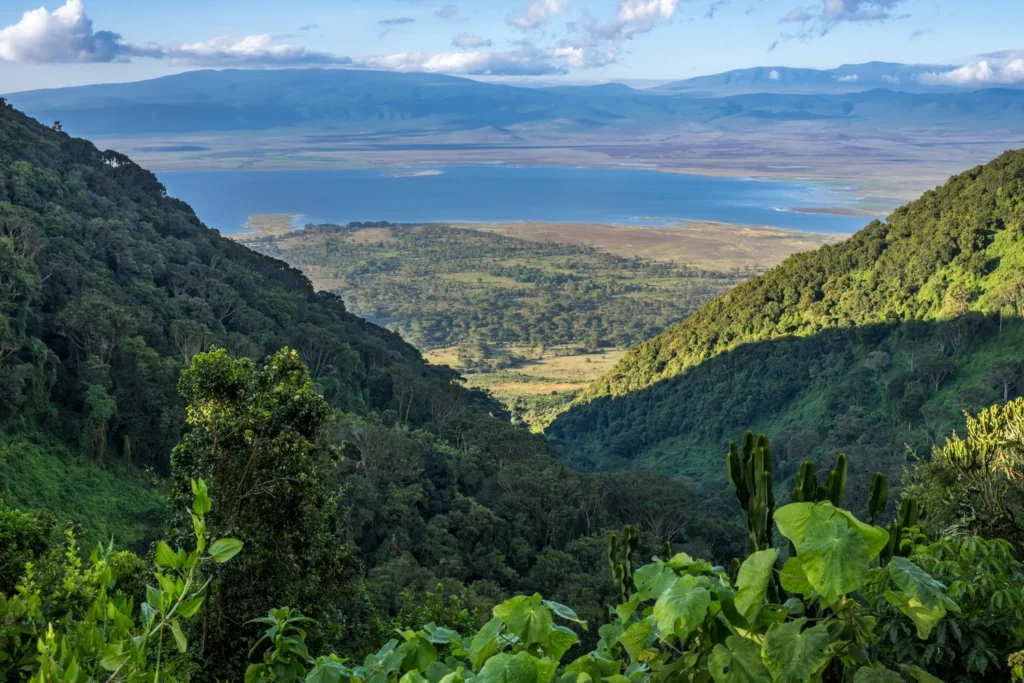
What Is the Best Time to Visit Ngorongoro Conservation Area?
What is the best time to visit Ngorongoro Conservation Area? Travelers who understand seasonal patterns enjoy richer wildlife encounters, better landscapes, and smoother travel experiences. Gorilla Trekking Tours presents this detailed guide to help global explorers plan with clarity and confidence. The Ngorongoro Conservation Area stands among Africa’s most iconic safari destinations. It offers unmatched scenery, dense wildlife populations, and deep cultural heritage. However, timing plays a critical role in shaping your experience.
Every season in Ngorongoro creates a distinct safari atmosphere. Some months favor wildlife viewing, while others highlight lush scenery and fewer crowds. Therefore, visitors must align travel goals with seasonal advantages. This guide answers the key question: what is the best time to visit Ngorongoro Conservation Area? It also explores wildlife, activities, accommodations, and conservation insights. Each section provides practical and reliable information. As a result, you gain a complete understanding of how to plan your journey.
Gorilla Trekking Tours aims to position itself as a trusted authority in African tourism. This article delivers expert knowledge, clear guidance, and valuable insights. It speaks directly to travelers seeking authentic safari experiences. Let’s explore Ngorongoro in depth and discover the ideal time to visit.
Overview of Ngorongoro Conservation Area
The Ngorongoro Conservation Area lies in northern Tanzania and covers vast highland plains, forests, and volcanic craters. It forms part of a larger ecosystem that supports the Serengeti migration system. The centerpiece remains the Ngorongoro Crater, a massive volcanic caldera filled with wildlife.
This area offers a rare combination of wildlife conservation and human coexistence. The Maasai people continue to live and graze livestock within the conservation boundaries. This balance creates a unique cultural and ecological setting. Visitors witness both wildlife and traditional lifestyles in one destination.
Additionally, Ngorongoro holds UNESCO World Heritage status due to its natural and cultural importance. The crater floor provides one of the highest wildlife densities in Africa. Therefore, visitors often enjoy close and frequent animal sightings. This accessibility enhances the safari experience, especially for first-time travelers.
Understanding the overview helps answer the main question: what is the best time to visit Ngorongoro Conservation Area? Each season interacts differently with this landscape. Weather patterns influence wildlife movement, vegetation, and accessibility. Therefore, timing affects how you experience this extraordinary destination.
Unique Features of Ngorongoro Conservation Area
The Ngorongoro Crater stands as the world’s largest intact volcanic caldera. Its enclosed ecosystem creates a natural wildlife sanctuary. Animals rarely leave the crater, which ensures consistent sightings throughout the year.
The area also includes diverse habitats such as grasslands, swamps, forests, and soda lakes. Each habitat supports different species. This diversity increases the richness of every game drive. Visitors can see lions, elephants, rhinos, and flamingos within a single day.
Another unique feature involves cultural interactions. The Maasai community adds depth to the safari experience. Visitors can engage in cultural tours, learn traditional practices, and understand pastoral lifestyles. These experiences create meaningful connections beyond wildlife viewing.
Furthermore, Ngorongoro offers breathtaking viewpoints along the crater rim. Early morning mist and golden sunsets enhance the visual appeal. Photographers find endless opportunities for stunning images.
These features influence the answer to what is the best time to visit Ngorongoro Conservation Area. Dry months provide clearer views and easier access. Wet months create lush scenery and dramatic landscapes. Each season highlights different aspects of Ngorongoro’s uniqueness.
Wildlife in Ngorongoro Conservation Area
The dry season from June to October offers the most reliable sightings. During this period, animals gather around water sources. Vegetation remains shorter, which improves visibility across the crater floor.
Visitors often encounter the “Big Five,” including lions, elephants, buffalo, leopards, and rhinos. The crater supports a stable population of predators and prey. This balance creates frequent and dramatic wildlife interactions. Early morning drives often reveal active predators hunting or patrolling territories.
In contrast, the wet season from November to May brings lush greenery and newborn animals. This period offers excellent birdwatching opportunities. Migratory species arrive, adding vibrant colors to the landscape. However, thick vegetation can make wildlife harder to spot.
Calving season, which occurs between January and February, attracts predators. This dynamic creates exciting viewing opportunities. Photographers often prefer this time for dramatic scenes and softer lighting.
Ultimately, what is the best time to visit Ngorongoro Conservation Area depends on your priorities. Dry months favor visibility and convenience. Wet months offer beauty, fewer crowds, and unique wildlife moments.
Activities in Ngorongoro Conservation Area
Game drives remain the primary attraction throughout the year. However, the dry season provides smoother roads and easier navigation. This condition allows longer and more comfortable excursions.
Guided crater tours deliver close encounters with wildlife. Visitors explore diverse habitats within a single day. Additionally, walking safaris in designated areas offer a different perspective. These experiences bring travelers closer to nature and enhance understanding of ecosystems.
Cultural visits to Maasai villages add another dimension. Guests learn about traditions, clothing, and daily life. These interactions create memorable and educational experiences. Local guides often share insights that deepen cultural appreciation.
Birdwatching thrives during the wet season. Lakes and wetlands attract flamingos and other species. Photography tours also benefit from dramatic skies and vibrant landscapes during this time.
Therefore, what is the best time to visit Ngorongoro Conservation Area depends on preferred activities. Dry months suit game drives, while wet months favor photography and birdwatching. Gorilla Trekking Tours helps tailor experiences to match traveler interests.
Conservation and Challenges
Responsible tourism plays a crucial role in preserving this ecosystem. Visitor fees contribute directly to wildlife protection and community development.
However, the area faces challenges such as climate change and increasing tourist numbers. Dry seasons can strain water resources, while wet seasons affect road conditions. Managing these factors requires careful planning and sustainable practices.
Visitors can support conservation by choosing eco-friendly lodges and respecting park guidelines. Avoiding off-road driving and minimizing waste helps protect the environment. Cultural respect also strengthens relationships with local communities.
Traveling during shoulder seasons can reduce pressure on peak months. This approach supports balanced tourism throughout the year. It also provides a quieter and more intimate safari experience.
Understanding these aspects enhances the answer to what is the best time to visit Ngorongoro Conservation Area. Responsible timing and behavior ensure long-term sustainability. Gorilla Trekking Tours promotes ethical travel practices for all guests.
Getting to Ngorongoro Conservation Area
Most visitors access the area via Arusha. From there, travelers use road transfers or small aircraft to reach nearby airstrips.
The dry season offers better road conditions. Dust replaces mud, making travel faster and more predictable. This advantage reduces delays and enhances comfort during transfers.
During the wet season, some roads become challenging. Rain can create muddy tracks and slow travel times. However, flights remain reliable and provide scenic aerial views of the landscape.
Planning transportation carefully helps avoid disruptions. Early bookings ensure availability during peak months. Flexible itineraries allow adjustments based on weather conditions.
Therefore, what is the best time to visit Ngorongoro Conservation Area for accessibility often aligns with the dry season. However, experienced operators like Gorilla Trekking Tours manage logistics effectively in all seasons.
Accommodation in Ngorongoro Conservation Area
The area offers a range of options, from luxury lodges to budget camps. Crater rim lodges provide stunning views and quick access to game drives.
During peak months, accommodations fill quickly. Early booking becomes essential, especially for July and August. Prices also rise due to high demand. However, the experience often justifies the cost.
In the low season, visitors enjoy better rates and fewer crowds. Lodges offer personalized services and quieter environments. This period suits travelers seeking relaxation and exclusivity.
Many lodges integrate cultural experiences into their offerings. Guests can participate in Maasai visits, storytelling sessions, and traditional dances. These activities enrich the overall safari experience.
Therefore, what is the best time to visit Ngorongoro Conservation Area also depends on accommodation preferences. Peak season offers vibrant energy, while low season provides tranquility and value.
Best Time to Visit Ngorongoro Conservation Area
What is the best time to visit Ngorongoro Conservation Area ultimately depends on your travel goals. The dry season from June to October delivers the best wildlife viewing conditions. Clear skies, shorter grass, and concentrated animal activity create ideal safari experiences.
July and August stand out as prime months. However, these months also attract higher visitor numbers. Travelers who prefer fewer crowds may consider June or October. These shoulder months offer excellent conditions with slightly lower traffic.
The wet season presents a different charm. Lush landscapes, vibrant birdlife, and fewer tourists create a peaceful atmosphere. Photographers and nature lovers often prefer this time.
Each season offers unique advantages. Therefore, the best time depends on your priorities. Gorilla Trekking Tours helps tailor every itinerary to match individual preferences.
Conclusion: Plan Your Perfect Ngorongoro Safari with Confidence
What is the best time to visit Ngorongoro Conservation Area? The answer lies in aligning your expectations with seasonal opportunities. This remarkable destination offers year-round appeal, but each period delivers a distinct experience.
Travelers seeking classic wildlife viewing should choose the dry season. Those interested in scenery and tranquility may prefer the wet months. Both options provide unforgettable moments in one of Africa’s most iconic landscapes.
Gorilla Trekking Tours stands ready to guide your journey. With expert knowledge and personalized service, every safari becomes meaningful and memorable. Plan wisely, travel responsibly, and experience the magic of Ngorongoro at the perfect time.
