
What Is the Best Time to Visit Serengeti for the Great Migration?
April 9, 2026
What Are the Must-See Attractions in Serengeti?
April 9, 2026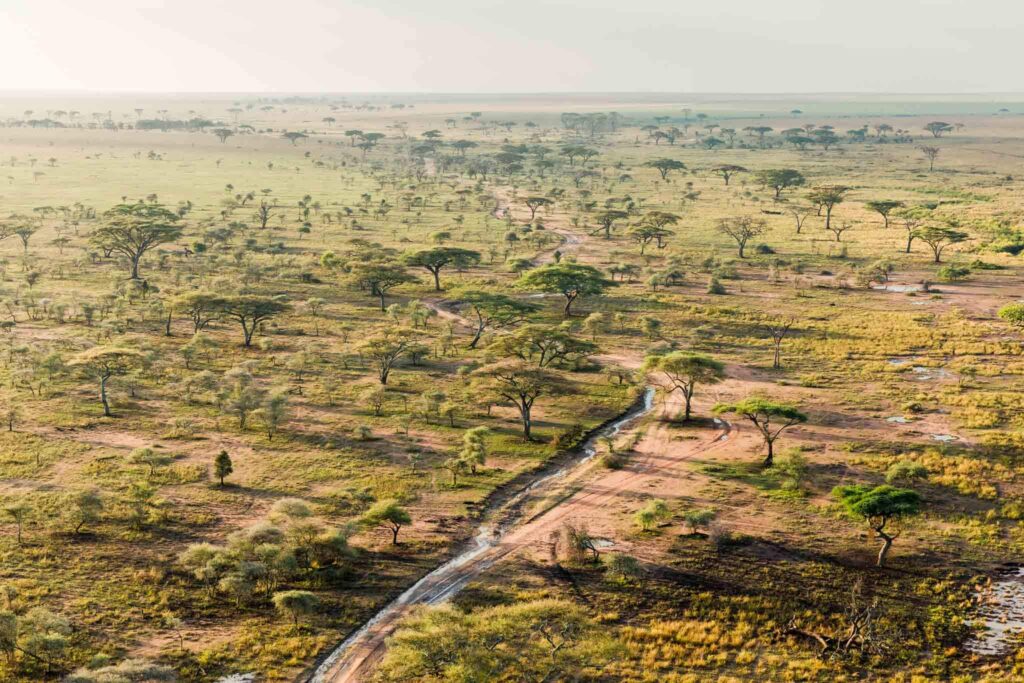
How Do I Get to Serengeti National Park?
How do I get to Serengeti National Park, and why does proper planning shape your entire safari experience? The journey to the Serengeti represents the first step toward witnessing one of Africa’s most iconic wildlife destinations. Travelers from across the world choose the Serengeti for its unmatched biodiversity, breathtaking landscapes, and the world-famous Great Migration. Therefore, understanding travel routes, logistics, and timing ensures a seamless and rewarding safari adventure.
The Serengeti lies in northern Tanzania and forms part of a vast ecosystem that supports millions of animals. Reaching this remote wilderness requires careful coordination between international flights, domestic transfers, and ground transportation. Gorilla Trekking Tours provides expert guidance, ensuring every traveler enjoys a smooth and well-organized journey.
Moreover, planning your route influences your comfort, travel time, and overall safari experience. Some travelers prefer quick domestic flights, while others enjoy scenic road journeys through Tanzania’s countryside.
Overview of Serengeti
The Serengeti ecosystem covers vast plains, rolling hills, and river systems that create one of Africa’s richest wildlife habitats. This landscape supports the Great Migration, where millions of animals move in search of fresh grazing.
The Serengeti offers year-round wildlife viewing opportunities. Predators such as lions, cheetahs, and leopards thrive in this ecosystem. Herbivores graze across open plains, creating a dynamic balance between predator and prey. Additionally, the park connects with conservation areas such as the Ngorongoro Conservation Area, allowing wildlife to move freely.
Travelers often combine multiple destinations within northern Tanzania to create a comprehensive safari itinerary. This approach increases wildlife sightings and enhances the overall experience. Gorilla Trekking Tours designs tailored safari packages that align with traveler preferences and schedules.
Getting to Serengeti
The journey typically begins with an international flight into Tanzania. Most travelers arrive at Kilimanjaro International Airport or Arusha Airport, both located near the safari hub of Arusha.
After arrival, travelers choose between domestic flights and road transfers. Domestic flights offer the fastest and most convenient option. Small aircraft operate daily flights to various airstrips within the Serengeti. Popular airstrips include Seronera in central Serengeti and Kogatende in the northern region. These flights provide stunning aerial views of the landscape.
Road travel offers a more immersive experience. Travelers drive from Arusha through scenic landscapes and local villages before entering the Serengeti through gates such as Naabi Hill Gate. This journey allows visitors to witness Tanzania’s countryside and cultural life.
Gorilla Trekking Tours handles all travel arrangements, including transfers, park fees, and guided safaris. This service ensures comfort and efficiency throughout the journey.
What Makes the Journey to Serengeti National Park Worth It?
The Serengeti stands out for its endless plains, diverse ecosystems, and extraordinary wildlife events. The Great Migration represents the park’s most famous feature, attracting travelers from every continent.
This migration involves millions of wildebeest, zebras, and gazelles moving across the ecosystem. River crossings create dramatic moments, as animals navigate crocodile-filled waters. These scenes define the Serengeti experience.
Additionally, the Serengeti offers exceptional predator sightings. Lions, cheetahs, and hyenas follow migrating herds, creating dynamic wildlife interactions. The park’s open landscapes provide excellent visibility, making it easier to observe animals in their natural habitat.
Another unique feature involves the Serengeti’s seasonal variations. Each season reveals different wildlife behaviors and landscapes. This diversity ensures that every visit feels unique.
Cultural experiences also enhance the journey. Visitors interact with Maasai communities near safari lodges. These experiences include traditional dances, storytelling, and local crafts.
What Animals Await You After You Reach Serengeti National Park?
The Serengeti hosts one of the richest wildlife populations in Africa. Travelers encounter a wide range of species across different habitats.
The Great Migration features wildebeest, zebras, and gazelles moving in large herds. These animals attract predators, creating intense and exciting wildlife encounters. Lions dominate the plains, often hunting in groups. Cheetahs rely on speed to capture prey in open areas.
Leopards inhabit wooded regions and riverbanks. They prefer solitude and often remain hidden. Hyenas play an important role as both hunters and scavengers.
Additionally, the Serengeti supports elephants, giraffes, buffaloes, and numerous antelope species. Birdlife also thrives, with hundreds of species recorded across the park.
Game drives and guided safaris provide opportunities to observe these animals closely. Expert guides share knowledge about animal behavior and ecosystems.
Activities in Serengeti
The Serengeti offers a wide range of activities that cater to different interests and travel styles.
Game drives remain the most popular activity. These drives take place in the early morning and late afternoon, when animals remain most active. Guides help travelers track wildlife and understand animal behavior.
Hot air balloon safaris provide a unique perspective. Travelers float above the plains at sunrise, observing herds from above. This experience creates unforgettable memories.
Walking safaris allow travelers to explore nature on foot. Guides explain plants, tracks, and smaller wildlife species. This activity creates a deeper connection with the environment.
Cultural visits add another dimension to the safari. Travelers engage with Maasai communities near safari lodges. Activities include traditional dances, storytelling, and craft-making.
Each activity contributes to answering the question, how do I get to Serengeti National Park, while enhancing the overall safari experience.
Where Should You Stay During Your Serengeti Safari?
The Serengeti offers a wide range of accommodation options that suit different budgets and preferences.
Luxury lodges provide high-end comfort with stunning views of the plains. These lodges feature spacious rooms, fine dining, and personalized services. Many lodges position themselves near wildlife hotspots.
Mobile camps follow the migration. These camps move seasonally to remain close to wildlife. They provide an immersive and authentic safari experience.
Mid-range lodges balance comfort and affordability. These options suit travelers seeking quality without excessive costs. Budget camps offer basic facilities for adventurous travelers.
Additionally, many lodges offer cultural experiences with nearby communities. Guests participate in traditional activities and learn about local lifestyles.
Gorilla Trekking Tours selects accommodation based on traveler needs and preferences. This approach ensures comfort and convenience.
When Should You Travel After Planning How to Get There?
The Serengeti offers year-round safari opportunities, but timing influences wildlife experiences.
The dry season, from June to October, provides excellent wildlife viewing. Animals gather around water sources, making them easier to spot. This period also includes dramatic river crossings during the Great Migration.
The wet season brings lush landscapes and fewer crowds. Birdwatchers benefit from increased bird activity. However, rains may affect road conditions.
From January to March, the southern Serengeti hosts the calving season. Thousands of wildebeest give birth, attracting predators. This period offers unique wildlife encounters.
Travelers should consider personal preferences when choosing travel dates. Some prefer peak wildlife activity, while others enjoy quieter experiences.
Conservation and Challenges
The Serengeti relies on strong conservation efforts to maintain its biodiversity and ecological balance.
Protected areas allow wildlife to migrate freely across the ecosystem. Anti-poaching initiatives safeguard animals from illegal activities. Conservation programs also support local communities.
However, challenges such as climate change and human encroachment affect the ecosystem. Conservation organizations continue to address these issues through education and policy enforcement.
Tourism plays a vital role in conservation. Park fees contribute to wildlife protection and community development. Responsible travel practices help preserve the environment.
Conclusion: How Do I Get to Serengeti National Park and Why Should You Start Planning Today?
The journey involves international flights, domestic transfers, and well-organized safari logistics. Gorilla Trekking Tours ensures a seamless experience from arrival to departure.
The Serengeti offers unmatched wildlife encounters, breathtaking landscapes, and rich cultural experiences. Each aspect of the safari contributes to a memorable journey.
Travelers connect with nature, observe incredible wildlife, and engage with local communities. This combination creates a meaningful and enriching experience.
This guide answers the question, how do I get to Serengeti National Park, while providing valuable insights for planning. It positions the Serengeti as one of Africa’s top safari destinations.
Start planning today and experience the beauty and adventure of the Serengeti with confidence and excitement.
