
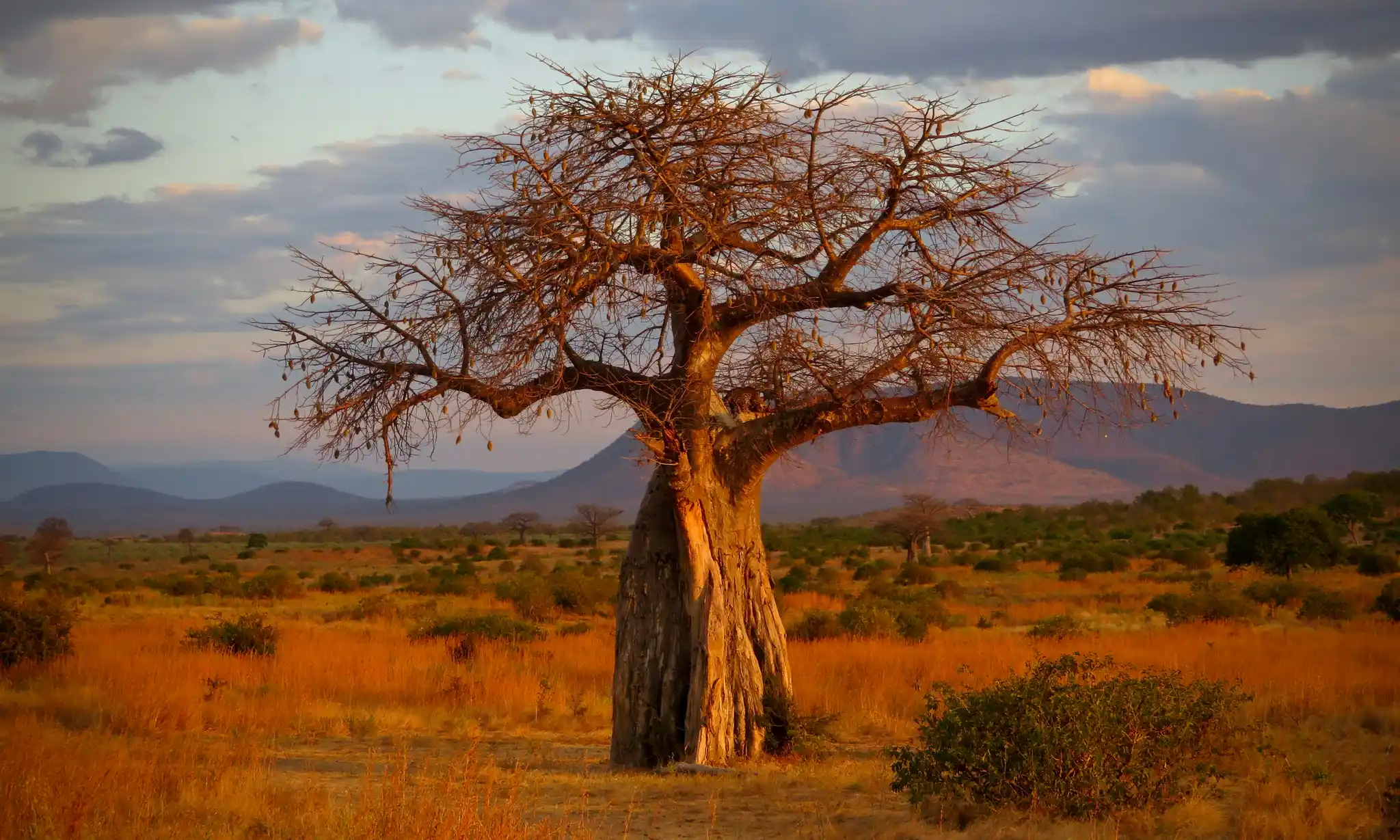
Ruaha National Park
Ruaha National Park presents one of Africa’s most authentic and thrilling safari experiences. The park is Tanzania’s largest protected area, spanning over 20,000 square kilometers of untamed wilderness. Travelers encounter expansive landscapes ranging from acacia savannahs to dense miombo woodlands, offering breathtaking panoramas that rival other renowned safari destinations. Wildlife roams freely across its vast terrain, allowing visitors to observe natural behaviors without overcrowded tourist areas. Beyond its remarkable fauna, Ruaha National Park provides immersive cultural experiences with local Hehe, Bena, and Barabaig communities. Guided safaris combine adventure, education, and cultural exploration, ensuring every visitor gains a holistic understanding of East Africa’s biodiversity and heritage. From sunrise game drives to evening stargazing, Gorilla Trekking Tours: Ruaha National Park delivers an unparalleled mix of thrill, learning, and cultural connection. Its remoteness, diversity, and sustainability make it a world-class destination for travelers seeking both authenticity and luxury in African safari adventures.
Overview of Ruaha National Park: What Makes This Park a Must-Visit Destination?
Ruaha National Park offers an extraordinary blend of size, biodiversity, and natural beauty that sets it apart from other safari destinations. The park encompasses open plains, rocky hills, and river valleys, creating habitats for large and small wildlife species. Tourists can encounter lions, leopards, elephants, buffaloes, and giraffes, often witnessing interactions among predator and prey. Bird enthusiasts enjoy over 570 species, including migratory and endemic varieties, while nature photographers find dramatic landscapes at every turn. Ruaha National Park remains relatively uncrowded, providing a sense of wilderness and privacy often missing in more visited parks. Seasonal water sources influence wildlife movement, creating dynamic safari experiences throughout the year. Gorilla Trekking Tours: Ruaha National Park ensures every itinerary offers guided game drives, walking safaris, and opportunities to explore remote corners. These experiences emphasize personal encounters with nature, creating memorable adventures that highlight the park’s ecological richness. The overview underscores Ruaha National Park’s reputation as a premier destination for travelers seeking both spectacular wildlife and untouched wilderness.
Unique Features of Ruaha National Park
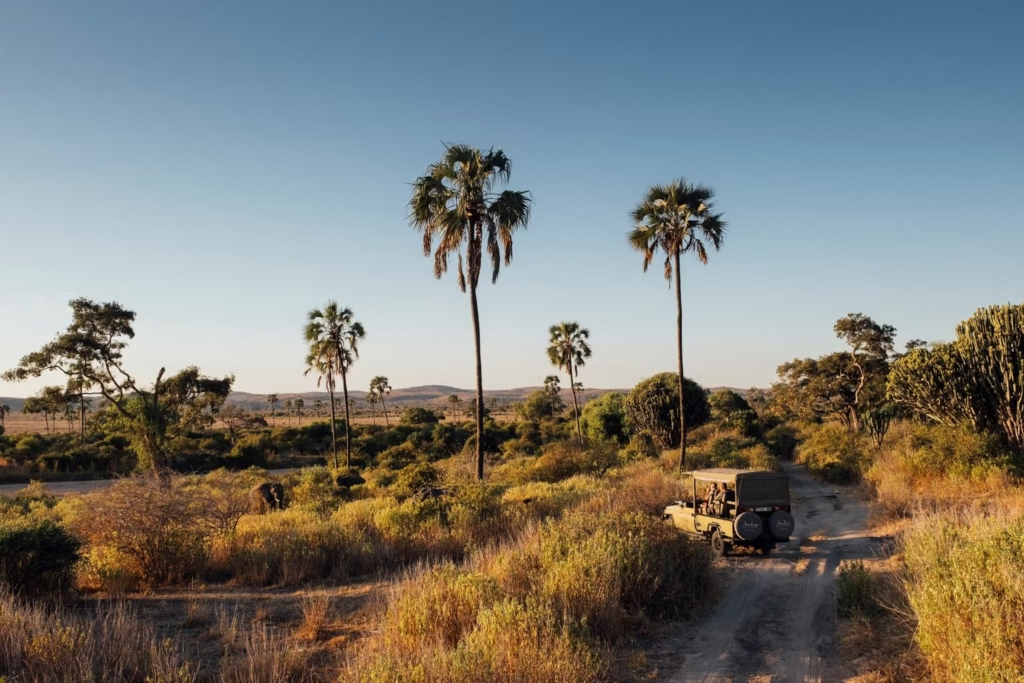
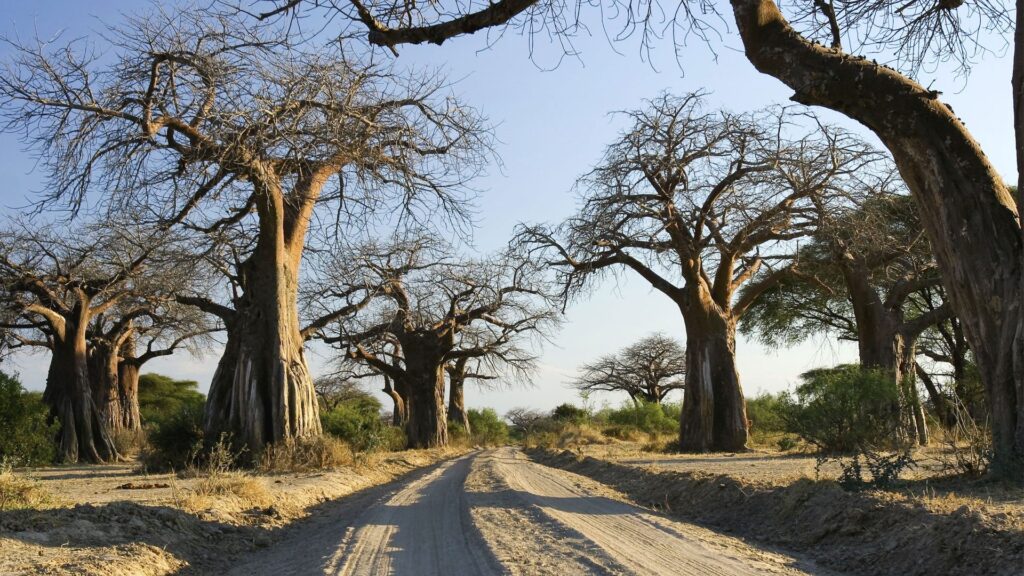
Ruaha National Park showcases distinctive features that make it an exceptional safari destination. One unique aspect is its vast area, allowing wildlife to roam freely over thousands of square kilometers. The park’s miombo woodlands, baobab-studded landscapes, and rugged terrain support remarkable biodiversity. Ruaha National Park hosts one of Africa’s largest elephant populations, whose seasonal migrations illustrate the region’s ecological complexity. The park also sustains robust lion and leopard populations, offering authentic predator viewing experiences. Seasonal river systems, particularly the Great Ruaha River, attract large herds of buffalo, antelope, and giraffes, creating prime wildlife observation opportunities. Unlike smaller parks, Ruaha offers solitude and fewer crowds, enhancing the feeling of being immersed in nature. Additionally, cultural experiences near safari lodges provide travelers with insights into local traditions, farming practices, and community life. Gorilla Trekking Tours: Ruaha National Park highlights these unique features through tailored itineraries, ensuring visitors witness both iconic and rarely seen aspects of this magnificent wilderness. Its combination of biodiversity, landscape variety, and cultural interaction defines the park’s unique safari appeal.
Wildlife in Ruaha National Park
Ruaha National Park ensures travelers encounter a stunning diversity of wildlife across its vast landscapes. The park hosts Tanzania’s largest elephant population, often seen in large herds along rivers and open plains. Lions dominate grasslands, with prides displaying fascinating social structures and hunting behavior. Leopards remain elusive but frequent rocky outcrops and woodland areas, providing thrilling sightings for patient travelers. Buffalo herds traverse plains in dynamic patterns, while giraffes and antelopes roam freely. Cheetahs, though rarer, appear occasionally in open savannahs, adding excitement to wildlife tracking adventures. Ruaha National Park also supports smaller mammals like baboons, warthogs, and bushbucks, creating varied safari experiences. Birding enthusiasts find over 570 species, from raptors and hornbills to vibrant bee-eaters and migratory birds. Gorilla Trekking Tours: Ruaha National Park combines expert guiding with detailed ecological interpretation, helping travelers understand species behavior, interdependencies, and conservation significance. Wildlife observation in this park blends adventure with learning, leaving every visitor with profound appreciation for Tanzania’s natural heritage and untouched wilderness.
Activities in Ruaha National Park
Ruaha National Park provides a wide array of safari experiences beyond traditional game drives. Early morning drives reveal predator-prey interactions, bird activity, and breathtaking sunrises over acacia-dotted plains. Walking safaris immerse visitors in the ecosystem, revealing smaller creatures, unique plant species, and animal tracks often missed from vehicles. Photography safaris capitalize on dramatic landscapes, golden light, and rare wildlife encounters. Night drives showcase nocturnal behavior, from hyenas to elusive small cats. Birding tours guide enthusiasts to endemic and migratory species, while cultural excursions highlight local traditions, dances, and artisan craft markets near safari lodges. Cooking demonstrations and village visits introduce travelers to Tanzanian culinary practices, fostering cultural understanding. Educational walks and eco-tours further emphasize conservation awareness. Every activity in Ruaha National Park combines adventure, education, and cultural immersion, ensuring a meaningful and unforgettable safari experience under the expert guidance of Gorilla Trekking Tours.
Conservation and Challenges
Anti-poaching teams actively patrol the park, protecting elephants, lions, and other vulnerable species from illegal hunting. Reforestation initiatives and sustainable tourism practices preserve critical habitats. Seasonal water shortages caused by climate change affect wildlife distribution, making resource management essential. Human-wildlife conflicts arise as nearby communities expand agricultural activities, yet Ruaha National Park collaborates with locals to develop alternative livelihoods and educational programs. Community engagement programs foster stewardship and support conservation efforts. Travelers participate in responsible tourism practices, including minimizing waste, maintaining safe distances from animals, and respecting natural habitats. Gorilla Trekking Tours: Ruaha National Park emphasizes these conservation principles, allowing visitors to enjoy immersive safaris while contributing to long-term ecosystem protection. By prioritizing environmental sustainability and ethical wildlife engagement, Ruaha National Park continues to thrive as a model of Africa’s protected wilderness areas.
Getting to Ruaha National Park
Ruaha National Park ensures smooth travel arrangements. International flights typically land at Julius Nyerere International Airport or Kilimanjaro International Airport. From there, domestic flights connect to Mbeya or Iringa airfields near the park. Private transfers and road journeys offer scenic routes through Tanzanian countryside, coffee plantations, and traditional villages, creating a preview of the wilderness to come. Road trips also provide cultural interaction opportunities with local communities along the way. Upon arrival, experienced guides provide park orientation, safety briefings, and safari itineraries. Travelers can combine access with visits to neighboring parks or reserves, enriching the safari adventure. Effective transportation planning ensures that visitors arrive well-prepared, energized, and ready to enjoy every aspect of Ruaha National Park’s vast and remarkable wilderness.
Accommodation in Ruaha National Park
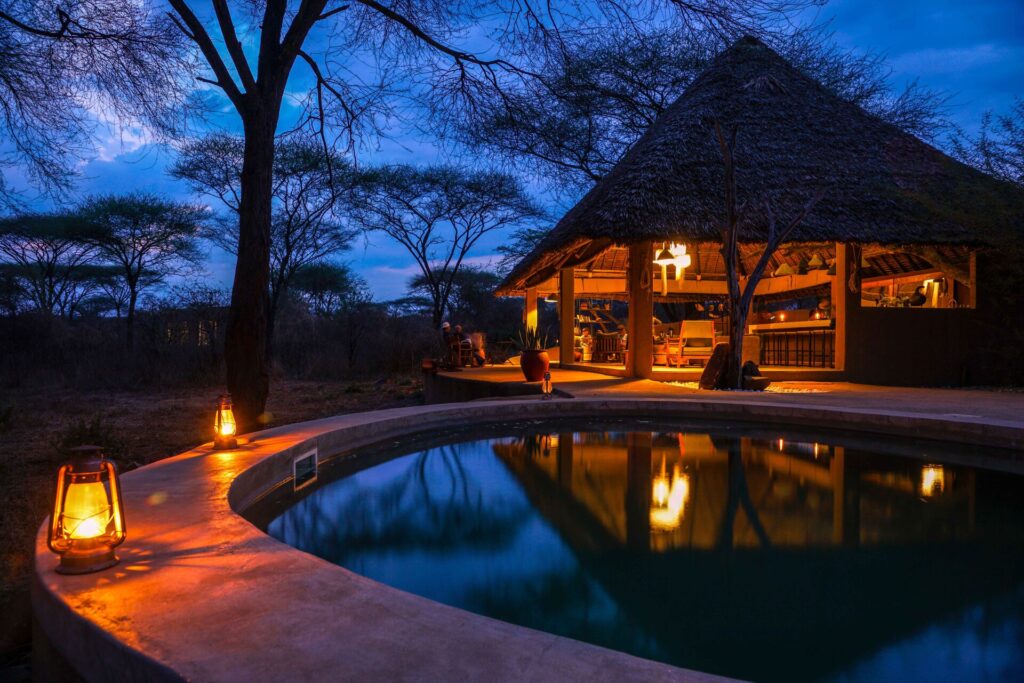
Choosing the right accommodation enhances every Gorilla Trekking Tours: Ruaha National Park safari. Options range from luxury lodges to eco-friendly tented camps. High-end lodges feature panoramic views, private decks, gourmet meals, and cultural evenings with traditional dances and artisan workshops. Mid-range lodges provide comfort, accessibility, and guided tours to major wildlife zones. Tented camps offer authentic wilderness experiences, often situating guests close to game paths and riverbanks. Many lodges integrate sustainable practices such as solar power, water harvesting, and waste management, aligning luxury with environmental responsibility. Cultural interactions, including village visits, cooking demonstrations, and craft workshops, complement wildlife observation. Selecting appropriate accommodation ensures visitors maximize their Ruaha National Park experience, combining comfort, immersion in nature, and exposure to local heritage. Gorilla Trekking Tours: Ruaha National Park ensures lodging aligns with each traveler’s preferences and safari goals.
Best Time to Visit Ruaha National Park
Ruaha National Park highlights two key periods. The dry season, from June to October, offers optimal game viewing as wildlife gathers around permanent water sources. This period produces excellent photography conditions and higher chances of predator-prey sightings. The wet season, November to May, offers lush landscapes, abundant birdlife, and quieter parks with fewer tourists. Although roads may be wetter, wildlife remains active, and landscapes appear vibrant. Seasonal timing can also determine cultural activity availability, as festivals, harvest celebrations, and village events align with specific months. Travelers benefit from consulting guides and tailoring itineraries to align with preferred wildlife sightings, photography opportunities, or cultural experiences. Strategic timing ensures that every Gorilla Trekking Tours: Ruaha National Park safari is both rewarding and memorable, regardless of season.
Cultural Experiences Around Ruaha National Park: What Local Traditions Enhance the Safari?
The Hehe, Bena, and Barabaig communities preserve ancient traditions that enrich the safari journey. Travelers can observe tribal dances, storytelling sessions, and artisan markets showcasing beadwork, baskets, and woodcarvings. Village tours reveal traditional farming, honey collection, and pastoral life, illustrating harmonious coexistence with nature. Culinary experiences introduce Tanzanian cuisine, including ugali, nyama choma, and seasonal vegetables. Educational workshops and eco-tour projects allow travelers to support conservation initiatives while learning about sustainable practices. These cultural encounters create meaningful connections between visitors and locals, fostering understanding and respect for regional heritage. Integrating cultural experiences with wildlife safaris elevates the overall adventure, offering travelers a complete perspective on life in and around Ruaha National Park.
Conclusion: Why Choose Gorilla Trekking Tours for a Ruaha National Park Safari?
Ruaha National Park guarantees a comprehensive, expertly guided, and unforgettable safari adventure. Visitors benefit from customized itineraries, expert guides, cultural immersion, and sustainable tourism practices. The park’s vast landscapes, abundant wildlife, and vibrant communities create an experience that blends thrill, education, and authenticity. Each safari encourages meaningful wildlife encounters, culturally rich interactions, and a deep appreciation of Tanzania’s natural beauty. By combining comfort, adventure, and ecological stewardship, Gorilla Trekking Tours positions itself as a leading authority in African tourism. Ruaha National Park becomes more than a destination; it transforms into a journey of discovery, inspiration, and lifelong memories. Travelers leave with stories, photos, and experiences that celebrate both Africa’s wilderness and human heritage, making every visit extraordinary.