
Mukomazi National Park
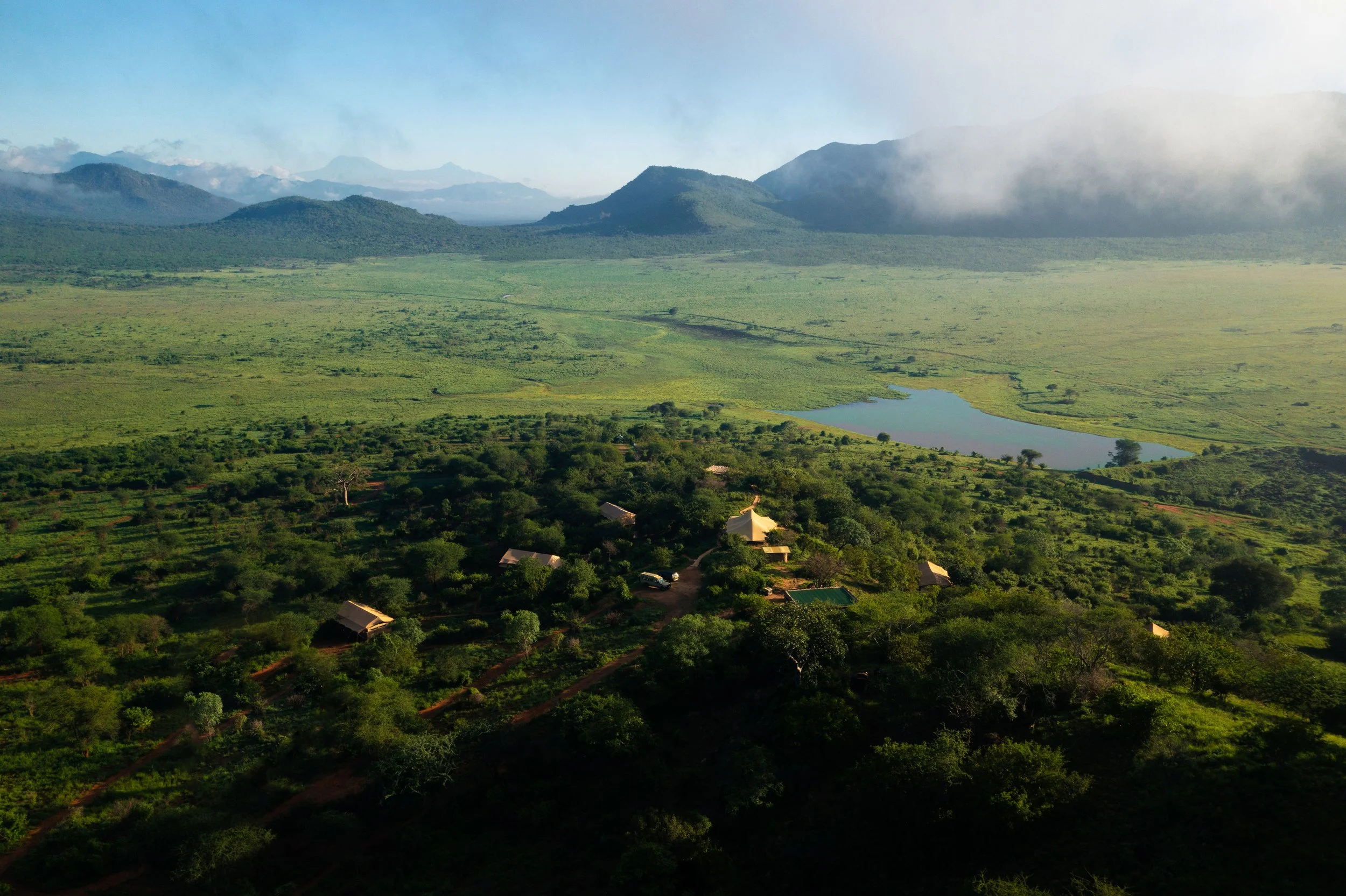
Mukomazi National Park remains one of Africa’s most promising safari destinations, barely discovered by mainstream tourism yet rich in natural beauty and adventure. This national park blends pristine landscapes, abundant wildlife, and cultural heritage to deliver extraordinary safari memories. In every direction, lush bushland stretches toward golden horizons where wildlife moves freely. Local communities enrich each visit with authentic cultural experiences near safari lodges. Mukomazi National Park balances raw wilderness with deep cultural connection, making it ideal for travelers seeking meaningful exploration. Gorilla Trekking Tours: Mukomazi National Park ensures every traveler gains insight into the natural world, local traditions, and conservation importance. This safari overview introduces visitors to endless plains, rare wildlife, and vibrant cultural life, inspiring global travelers to explore beyond typical tourist routes. Choosing Gorilla Trekking Tours: Mukomazi National Park promises a safari that merges adventure, cultural immersion, and ecological respect. Throughout each day, guests experience thrilling wildlife sightings, restful lodge sunsets, and stories that reflect the rhythm of Africa itself. The park stands as a true testament to the diversity and beauty of Tanzania’s natural heritage, inviting every traveler to experience it firsthand.
Overview of Mukomazi National Park
Mukomazi National Park welcomes visitors into a landscape defined by sweeping savannahs, riverine forests, and quiet wilderness far from crowded routes. Mukomazi National Park remains less frequented, allowing travelers to enjoy high‑quality safari experiences with authentic wildlife interactions and uninterrupted scenic views. This national park encompasses a mosaic of ecosystems that support diverse wildlife, from grazing antelopes to stealthy predators. Explorers find narrow tracks that wind through tall grass, greeting curious zebras and antelope herds. Birds of brilliant color fill the skies, adding movement and music to every safari moment. Visitors can also explore tranquil riverbanks where hippos wallow and crocodiles wait in the shade under acacia trees. Mukomazi National Park carries an atmosphere of raw and intimate wilderness that invites curiosity at every turn. The safari experience emphasizes safety, deep engagement, and meaningful discovery. Travelers should motivate themselves for early morning drives when wildlife becomes most active and evenings when golden light softens the whole landscape. Cultural experiences are part of daily life here, with nearby communities welcoming visitors to share local traditions, music, and food. Mukomazi National Park provides not only exceptional wildlife viewing but also opportunities for cultural exchange that deepen understanding of the land’s human heritage. A safari here feels personal, educational, and truly African, setting a high bar for global travelers seeking space, beauty, and meaningful connection with nature.
Unique Features of Mukomazi National Park
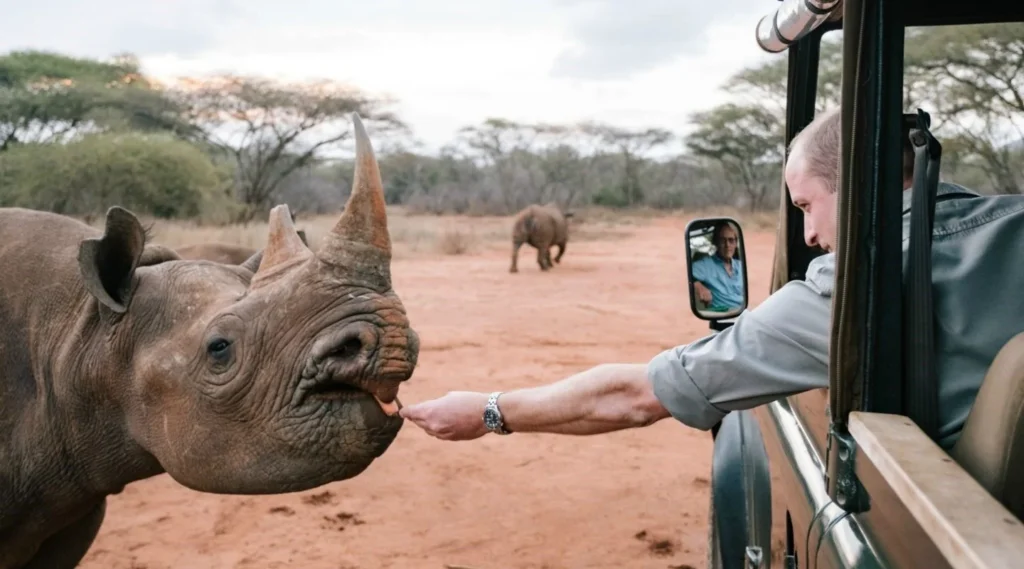
Mukomazi National Park showcases unique features that distinguish this destination from many others in Africa. First, its sense of untouched wilderness captivates travelers the moment they arrive. Wildlife encounters feel natural because Mukomazi National Park experiences minimal disruptions from heavy tourist traffic. This allows authentic behaviors to unfold before the visitor’s eyes. A second remarkable feature lies in its biological diversity. The park’s combination of riverine forests, grasslands, and scattered woodlands creates ideal habitats for species of many sizes and behaviors. Mounting a safari here becomes a rich and evolving experience as each environment reveals different wildlife stories. Moreover, Mukomazi National Park displays ecological interaction rarely seen elsewhere. Mixed herds of antelopes, zebras, and giraffes coexist near waterholes, attracting predators that patrol edges with caution and stealth. Birdlife adds continuous wonder with brilliant plumage and melodic calls that carry across open spaces. Mukomazi’s rivers and wetlands attract hippos and crocodiles, providing dramatic moments along shaded banks. These features and interactions create a dynamic safari environment, brimming with life and activity. Alongside wildlife, Mukomazi National Park presents cultural richness that enriches every visit. Local communities maintain traditions tied to land and livestock. Travelers can witness traditional dances, explore artisan markets near safari lodges, and share meals that reflect regional flavors. This cultural dimension builds deeper understanding of the people who live alongside the wilderness. Gorilla Trekking Tours: Mukomazi National Park embraces these unique elements to craft experiences that feel immersive, respectful, and unforgettable for every traveler.
Wildlife in Mukomazi National Park
Mukomazi National Park captivates every traveler with rich wildlife diversity that thrives across open plains and shaded forests. Spectacular herds of zebras cross open grasslands, while graceful gazelles and impalas flick in and out of shaded paths. Giraffes tower above acacias, browsing tender leaves that sustain them through changing seasons. Elsewhere, buffalo herds gather around riverine areas to drink and rest, adding dramatic group movement to scenic landscapes. Predators remain equally compelling. Leopards navigate thick cover with silent precision, rewarding keen observers with sighting moments that highlight evolutionary mastery. Cheetahs sprint across open plains, demonstrating astounding speed that thrills every witness. Lions patrol shaded edges and high grass, offering powerful, iconic safari experiences. Hippos and crocodiles dominate waterholes, reminding visitors of nature’s diverse survival strategies. Birdlife in Mukomazi National Park also draws enthusiastic attention. Towering vultures scavenge thermals while vibrant bee‑eaters and kingfishers dance through the air. Waders line riverbanks, and hornbills call from treetops. Each sound and movement reflects the complexity of life here. When exploring with Gorilla Trekking Tours: Mukomazi National Park, every wildlife sighting becomes part of a broader ecological story. Expert guides lead visitors to observe patterns of behavior, explain wildlife adaptations, and create deeper appreciation for the ecosystem’s harmony. Wildlife viewing here feels personal, profound, and endlessly fascinating.
Activities in Mukomazi National Park: What Adventures Await Every Visitor?
Mukomazi National Park offers a wide range of exciting activities designed to satisfy every traveler’s curiosity and sense of adventure. One of the most cherished experiences remains guided game drives in customized safari vehicles. These drives begin at dawn when the park awakens with movement and sound. Wildlife becomes most active during early morning and late afternoon hours, creating peak viewing conditions. Guests can track lion prides crossing grassy plains, witness zebras grazing beneath warm sunlight, and observe giraffes silhouetted against vast skies. These drives provide close but safe proximity to animals, maximizing unforgettable wildlife moments. Beyond vehicle tours, walking safaris offer a different sort of thrill. Accompanied by expert guides, travelers traverse hidden footpaths that wind through grasses and shaded corridors. These walks reveal miniature ecosystems often missed on larger vehicles — vibrant insects, delicate flowers, and silent animal tracks that tell hidden stories. Birdwatching becomes especially rewarding on foot, where motion and sound guide enthusiasts toward colorful avian species. Cultural experiences also form a core part of safari activities. Visitors can meet artisans near safari lodges to learn about beadwork, pottery, and other traditional crafts. These sessions deepen understanding of local cultures and create meaningful connections between travelers and communities. Night drives introduce nocturnal wildlife behavior, with glowing eyes and soft rustling revealing creatures of the dark that remain hidden by day. Photography expeditions represent another unforgettable activity. Mukomazi National Park offers dramatic light from sunrise to sunset, providing ideal conditions for capturing wildlife portraits, scenic panoramas, and cultural moments near village edges. Every activity with Gorilla Trekking Tours: Mukomazi National Park becomes an experience that blends adventure, education, and deep appreciation for East Africa’s natural world.
Conservation and Challenges: How Does Mukomazi National Park Protect Its Wildlife and Ecosystems?
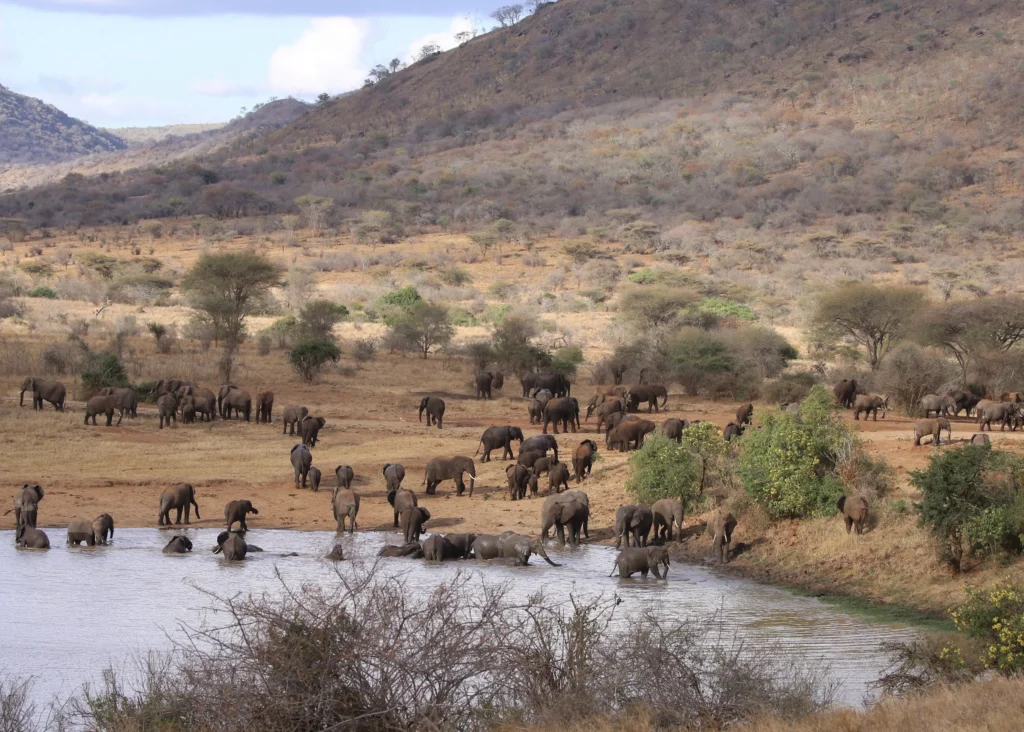
The park’s ecosystems require careful stewardship due to pressures from climate change, shifting rainfall patterns, and human‑wildlife conflict. Park authorities collaborate with local communities and conservation groups to implement strategies that safeguard habitats and species. Anti‑poaching patrols work daily to ensure that wildlife continues to roam freely without threat from illegal hunting. Rangers monitor predator movements, track population trends, and manage waterhole integrity to support ecological balance. These efforts reduce risks and contribute to a thriving natural environment. Despite such actions, Mukomazi National Park still faces evolving challenges. Climate instability affects grass growth and water availability, forcing species to adapt or migrate in search of resources. Human‑wildlife conflict increases where farming or grazing lands meet protected borders, creating tensions that require community dialogue and sustainable land‑use planning. Local communities engage in conservation by participating in education programs that emphasize coexistence and shared benefit. Alternative livelihood projects reduce reliance on hunting and promote eco‑tourism employment. Gorilla Trekking Tours: Mukomazi National Park encourages responsible traveler behavior that minimizes waste, respects animal spacing, and supports local conservation initiatives. Travelers who practice disciplined safari etiquette reinforce protection efforts. Scientific research also plays a key role. Studies on habitat health and species behavior inform adaptive conservation approaches that strengthen Mukomazi National Park’s resilience. By integrating community support, scientific insight, and ethical tourism practices, the park continues to grow as a sanctuary for wildlife and a model for sustainable tourism in Africa.
Getting to Mukomazi National Park
The journey becomes part of the adventure, offering scenic glimpses into Tanzania’s diverse landscapes and local cultures. Most visitors fly into one of Tanzania’s major international airports, such as Julius Nyerere International Airport or Kilimanjaro International Airport. From there, domestic flights connect to regional airstrips closest to Mukomazi National Park. These shorter flights bring travelers closer to the safari gateway and reduce overland travel time. Once in the region, guided transfers carry travelers along scenic roads that wind through rural villages, farmland, and indigenous settlements. These transfers create opportunities to observe daily life, interact with smiling locals at roadside markets, and learn about traditional customs before setting foot in the park. The open plains gradually give way to deeper bushlands as travelers approach the park entrance. Drivers often point out distant wildlife sightings even before reaching lodges, building excitement for the days ahead. Some travelers prefer overland safari routes, combining road transport with stops at cultural sites, rivers, and birding hotspots. These extended routes provide rich context for the safari, blending cultural understanding with nature observation. Whether by air or road, arriving at Mukomazi National Park with Gorilla Trekking Tours feels like stepping into a storybook of natural beauty and cultural warmth. The journey primes every visitor for the rich experiences that await, from wildlife encounters to lodge‑side cultural connections.
Accommodation in Mukomazi National Park
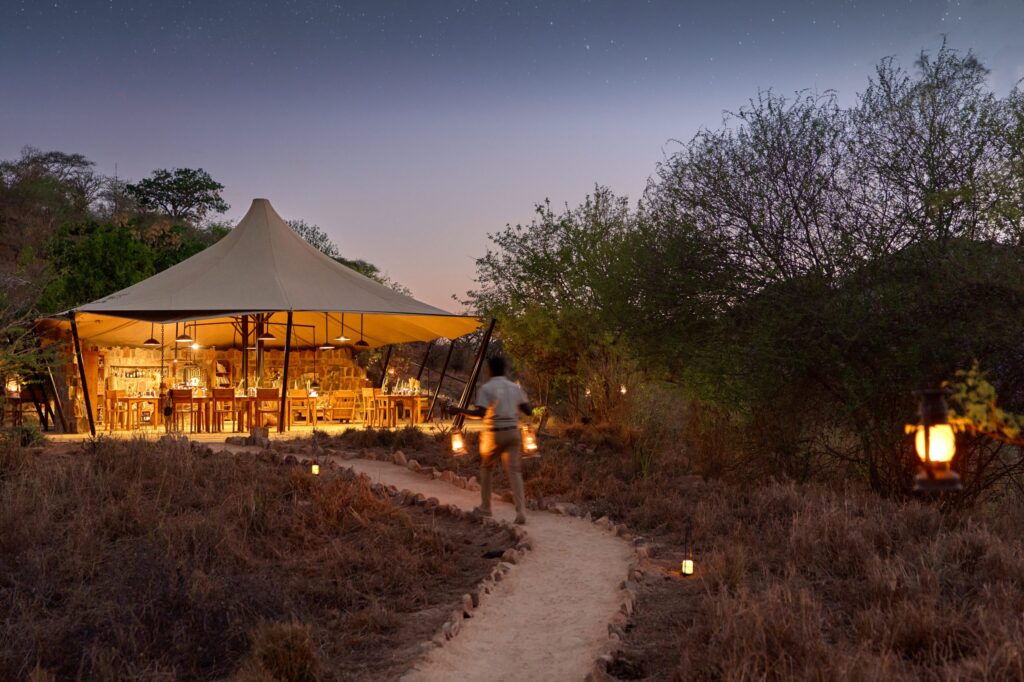
Choosing the right accommodation enhances every Gorilla Trekking Tours: Mukomazi National Park safari. Lodge options vary from eco‑friendly retreats nestled within natural bushland to luxury camps perched along quiet waterholes. High‑end safari lodges offer comfortable rooms with panoramic views of open plains and distant woodlands. These lodges blend modern amenities with traditional design elements, creating spaces that feel both elegant and grounded in local aesthetics. Many incorporate natural materials, warm communal lounges, and open‑air dining areas that bring the landscape into every gathering. Mid‑range lodges also provide excellent comfort while connecting guests directly with outdoor experiences. These safari accommodations typically include guided walks, cultural evenings, and photography sessions that enrich every day. Each lodge often works closely with neighboring villages to host cultural performances, artisan workshops, and traditional cooking experiences. These lodge‑based interactions help travelers appreciate regional food, music, dance, and craftsmanship. Tented camps deliver a more immersive experience, placing guests close to nature’s rhythm. Early morning sounds of wildlife and rustling grasses surround visitors, creating an intimate connection to the land. Each tented space remains well appointed with comfortable beds, warm bedding, and personal attention. Meals at safari lodges emphasize locally sourced ingredients, fresh flavors, and international choices. Cultural evening performances include traditional dances and storytelling, creating meaningful interaction between travelers and community artists. Every accommodation choice with Gorilla Trekking Tours: Mukomazi National Park enhances the overall safari by blending comfort, cultural immersion, and connection to the wild landscape.
Best Time to Visit Mukomazi National Park
Seasonality plays an important role in safari success, affecting wildlife visibility, trail conditions, and cultural experiences. The dry months, spanning June to October, offer prime wildlife viewing as animals gather near water sources. Trails become firmer, and early morning drives reveal dramatic moments at sunrise. Photographers benefit from clear skies, vibrant landscapes, and consistent lighting during this season. The wet months, from November to May, transform the park into a lush green wilderness. Rain nourishes grasses and encourages sprouting plants that support herbivore populations. Birdlife thrives in these months, with migratory species arriving and filling the skies with movement and sound. For bird watchers, this period becomes especially rewarding. Although some roads become softer with rain, expert guides ensure safe movement and route selection that avoids damage to paths. Cultural connections also vary with seasons. Certain traditional festivals and community celebrations align with seasonal harvest cycles and ceremonial calendars. Travelers who time visits with these local events gain deeper cultural insight and immersive experiences around safari lodges. Gorilla Trekking Tours: Mukomazi National Park assists travelers in planning visits that align with personal interests—whether prioritizing wildlife action, birdwatching, photography, or cultural engagement—ensuring every safari delivers rewarding and lifelong memories.
Conclusion: Why Choose Gorilla Trekking Tours for Mukomazi National Park?
Gorilla Trekking Tours: Mukomazi National Park represents a safari experience that blends authentic wildlife adventure, cultural immersion, and sustainable tourism into one unforgettable journey. This national park offers unmatched wildlife diversity, from graceful herbivores to powerful predators that define Africa’s heartland. Cultural experiences around safari lodges deepen every traveler’s understanding of local traditions and community life. Each safari day with Gorilla Trekking Tours combines expert guidance, personal connection, and world‑class natural beauty. Travelers leave with awe‑inspiring photos, powerful memories, and a deeper appreciation for East Africa’s wilderness and human heritage. Choosing Gorilla Trekking Tours: Mukomazi National Park means choosing quality, authority, and meaningful adventure. Every moment here shapes stories, broadens perspective, and fosters lifelong memories under Africa’s wide skies.