
Mount Kilimanjaro National Park
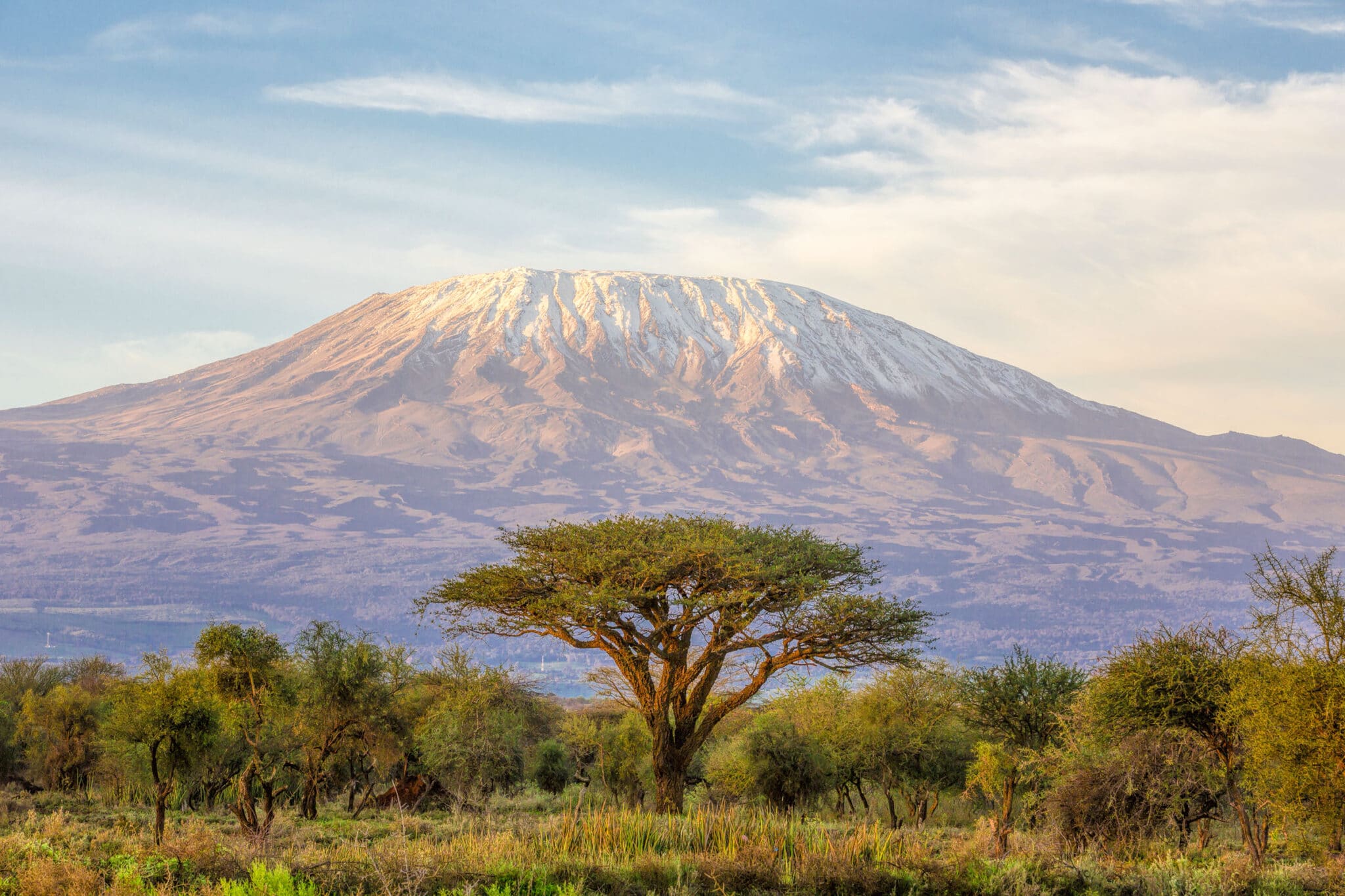
Mount Kilimanjaro National Park stands as one of Africa’s most iconic destinations, attracting tourists, adventure enthusiasts, and wildlife lovers from all over the world. The park offers a breathtaking combination of towering snow-capped peaks, vast savannahs, and lush montane forests. Visitors experience an unmatched safari adventure while immersing themselves in both natural beauty and rich cultural heritage. Gorilla Trekking Tours provides a unique perspective on this legendary park, ensuring travelers enjoy a carefully curated adventure blending nature, wildlife, and local cultural experiences. The journey through Mount Kilimanjaro National Park challenges the spirit, stimulates curiosity, and leaves travelers with unforgettable memories. From exhilarating trekking routes to observing unique wildlife species, the park delivers experiences that define the heart of African tourism.
Overview of Mount Kilimanjaro National Park
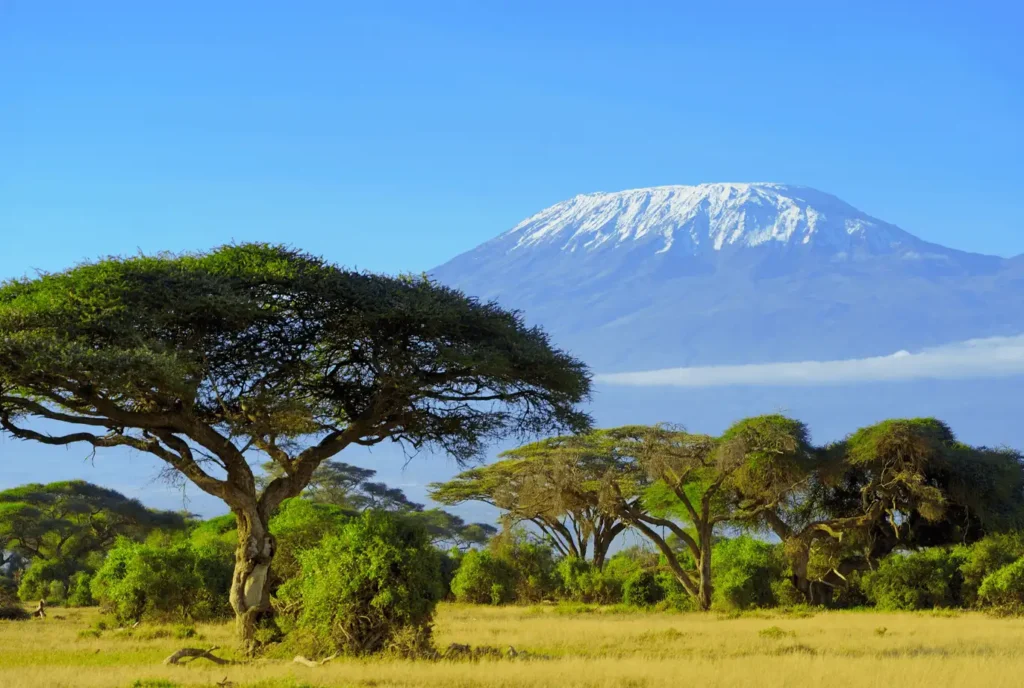
Mount Kilimanjaro National Park encompasses over 1,800 square kilometers of diverse landscapes in northeastern Tanzania. The park’s central attraction is Mount Kilimanjaro, Africa’s tallest peak, which rises majestically to 5,895 meters above sea level. This iconic mountain attracts climbers, trekkers, and nature enthusiasts eager to witness its snow-capped summit and volcanic features. Beyond its geological grandeur, the park hosts a variety of ecosystems, ranging from tropical rainforests at the base to alpine deserts near the summit. Visitors find themselves walking through scenic trails, spotting endemic plant species, and encountering wildlife adapted to various altitudes. The park’s management emphasizes conservation, ensuring sustainable tourism that preserves its unique biodiversity. Travelers can expect a well-organized adventure combining exploration, relaxation, and interaction with local Maasai communities, creating a complete safari experience that extends beyond traditional wildlife observation.
Unique Features of Mount Kilimanjaro National Park
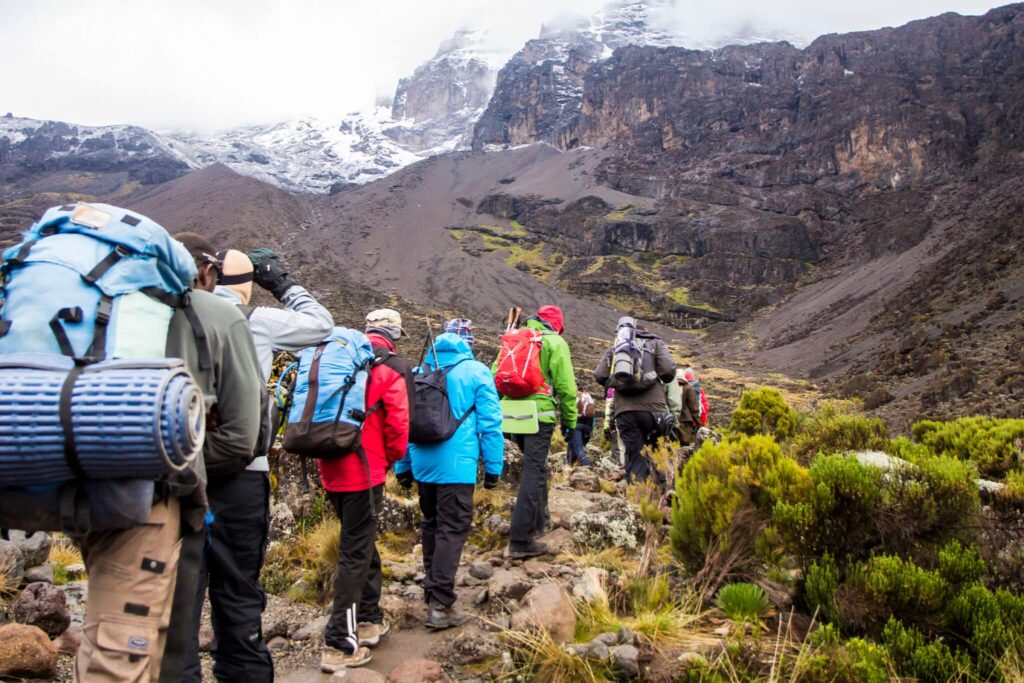
Mount Kilimanjaro National Park distinguishes itself through its unique combination of high-altitude ecosystems, volcanic formations, and cultural heritage. The mountain’s three volcanic cones—Kibo, Mawenzi, and Shira—offer distinct climbing experiences and breathtaking viewpoints. Hikers encounter glaciers, volcanic craters, and alpine meadows rarely seen in other safari destinations. Beyond its physical features, the park supports diverse flora, including giant groundsels, lobelias, and tropical montane forests. The transition of vegetation zones from rainforest to alpine desert illustrates nature’s remarkable adaptability. Visitors also enjoy cultural immersion, interacting with local Chagga and Maasai communities, exploring traditional villages, and learning about agricultural practices that harmonize with the environment. These features make Mount Kilimanjaro National Park a holistic safari destination where adventure, nature, and culture converge, offering a truly unparalleled experience for international travelers.
Wildlife in Mount Kilimanjaro National Park
Mount Kilimanjaro National Park hosts a diverse array of wildlife, making it an ideal destination for wildlife enthusiasts. While the park’s higher altitudes support fewer large mammals, lower forests and savannahs shelter elephants, buffaloes, leopards, and various antelope species. Birdwatchers can observe over 140 bird species, including the endangered lammergeyer and African crowned eagle. Primates, including colobus monkeys and blue monkeys, thrive in the montane forests, providing exciting observation opportunities. Gorilla Trekking Tours integrates guided wildlife safaris with educational insights, allowing visitors to understand species behavior, ecological roles, and conservation significance. The park also supports endemic flora and smaller mammals adapted to high-altitude habitats. This biodiversity ensures that every safari experience in Mount Kilimanjaro National Park blends adventure with learning, creating a memorable journey that fosters appreciation for Africa’s natural heritage.
Activities in Mount Kilimanjaro National Park
Visitors to Mount Kilimanjaro National Park have access to numerous activities catering to all levels of adventure seekers. Trekking remains the most popular activity, offering routes such as Machame, Marangu, and Lemosho, each with unique landscapes and difficulty levels. Guided hikes provide opportunities to observe wildlife, photograph scenic vistas, and explore volcanic craters. Beyond trekking, travelers can enjoy birdwatching, cultural tours of nearby villages, and scenic drives through the park. Local lodges offer cooking demonstrations, traditional dance performances, and interactive storytelling sessions to introduce travelers to the Chagga and Maasai cultures. Adventure-seekers can also engage in mountain photography expeditions, ecological walks, and conservation workshops. These activities ensure that Mount Kilimanjaro National Park offers a dynamic safari experience, balancing physical adventure, cultural immersion, and nature exploration for all types of travelers.
Conservation and Challenges
Mount Kilimanjaro National Park faces ongoing conservation challenges due to climate change, deforestation, and increasing tourist pressure. Park authorities and local organizations work to mitigate these impacts by implementing strict trekking regulations, promoting responsible tourism, and supporting local communities. Efforts include reforestation programs, wildlife monitoring, and educational initiatives for both visitors and residents. Conservation strategies focus on preserving glaciers, safeguarding endemic species, and maintaining the ecological balance across diverse altitudes. Gorilla Trekking Tours emphasizes sustainable tourism practices, including waste management, reduced environmental footprints, and community-based conservation projects. Travelers are encouraged to engage in responsible behavior, respect local customs, and support initiatives that benefit both the environment and the livelihoods of nearby communities. These combined efforts ensure Mount Kilimanjaro National Park remains a vibrant and thriving ecosystem for generations to come.
Getting to Mount Kilimanjaro National Park
Reaching Mount Kilimanjaro National Park is accessible via multiple transportation options. International travelers typically fly into Kilimanjaro International Airport, located approximately 45 kilometers from the park’s main gates. From the airport, travelers can access Arusha, Moshi, or nearby safari lodges through shuttle services or private transfers. Road trips through scenic Tanzanian landscapes offer a more immersive experience, revealing rural villages, tea plantations, and panoramic views of Kilimanjaro. Gorilla Trekking Tours assists in arranging logistics, ensuring a seamless journey from arrival to park entrance. Travelers can also combine their safari with visits to nearby national parks, including Amboseli in Kenya or Tarangire in Tanzania. By providing clear guidance, local expertise, and transportation options, visitors gain easy access to Mount Kilimanjaro National Park while enjoying the scenic journey that sets the tone for an unforgettable safari adventure.
Accommodation in Mount Kilimanjaro National Park
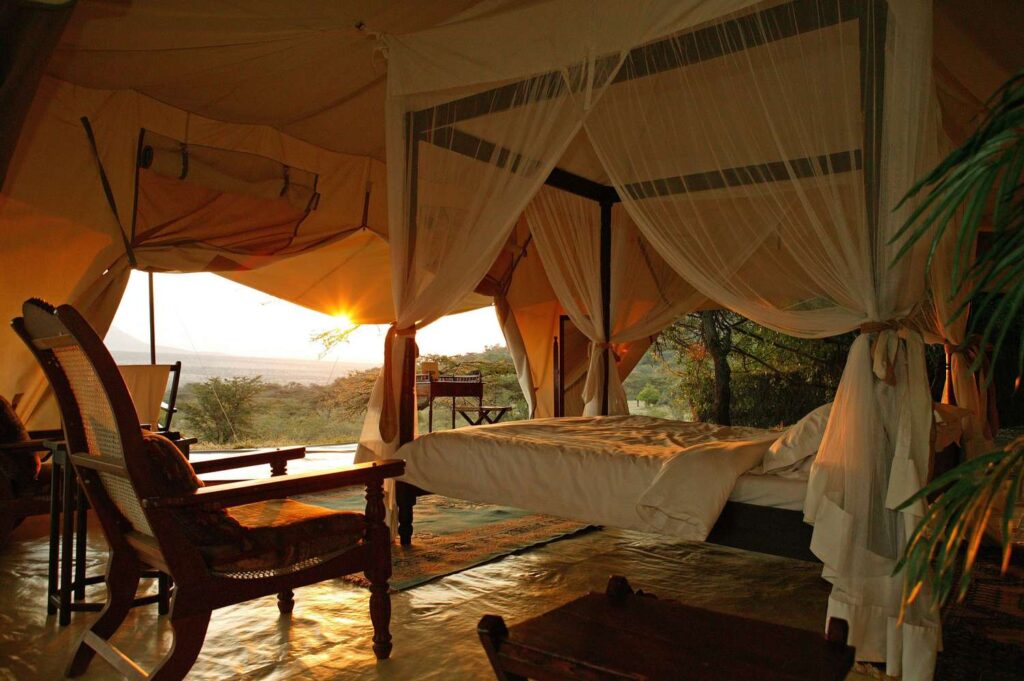
Accommodation near Mount Kilimanjaro National Park ranges from luxury lodges to budget-friendly guesthouses. High-end lodges provide panoramic views of the mountain, gourmet dining, and cultural experiences such as Maasai dance performances. Mid-range lodges offer comfortable amenities, guided excursions, and opportunities to engage with local communities. Budget travelers can choose eco-friendly campsites or guesthouses, providing an authentic experience within the natural environment. Many lodges integrate sustainable practices, including solar energy, rainwater harvesting, and community support programs. Gorilla Trekking Tours ensures travelers select accommodations that match preferences, comfort, and experience goals. Staying near the park allows easy access to trekking routes, wildlife safaris, and cultural tours, ensuring visitors maximize every moment in Mount Kilimanjaro National Park. Well-chosen accommodations enrich the overall safari, providing comfort, convenience, and cultural immersion.
Best Time to Visit Mount Kilimanjaro National Park: When Should You Go?
The best time to visit Mount Kilimanjaro National Park depends on the desired experience, weather conditions, and trekking goals. Dry seasons from June to October and December to February offer clear skies, optimal climbing conditions, and abundant wildlife sightings. Rainy seasons, although challenging for trekking, reveal lush landscapes, blooming flora, and fewer tourists. Climbers aiming for the summit should prepare for cold, high-altitude conditions, while casual visitors enjoy lower trails, scenic drives, and cultural experiences year-round. Gorilla Trekking Tours provides guidance on planning itineraries based on seasonal variations, ensuring travelers maximize wildlife sightings, photography opportunities, and cultural encounters. Flexible planning allows visitors to combine trekking with regional safaris, village visits, or ecological tours, providing a fully immersive African adventure tailored to personal preferences.
Cultural Experiences Around Mount Kilimanjaro National Park
Visitors can engage with the rich cultural heritage surrounding Mount Kilimanjaro National Park through village visits, traditional markets, and local workshops. The Chagga people offer insights into terrace farming, honey production, and indigenous cooking methods. Maasai communities provide immersive experiences, including traditional dances, beadwork demonstrations, and storytelling sessions. Travelers can participate in cultural festivals, learn Swahili phrases, and taste authentic Tanzanian cuisine. Educational tours highlight sustainable agriculture, conservation practices, and community-based initiatives that preserve local traditions. Gorilla Trekking Tours ensures these interactions are respectful, meaningful, and enriching. Integrating cultural experiences with wildlife adventures allows visitors to understand the intertwined relationship between people and nature in Mount Kilimanjaro National Park, enhancing the safari’s depth and authenticity.
Conclusion: Why Choose Gorilla Trekking Tours for Mount Kilimanjaro National Park?
Gorilla Trekking Tours offers unparalleled expertise in organizing adventures at Mount Kilimanjaro National Park. Every journey combines adventure, wildlife observation, cultural immersion, and sustainable tourism practices. The park’s stunning landscapes, diverse wildlife, and vibrant cultural communities create a safari experience unlike any other. With carefully curated itineraries, knowledgeable guides, and seamless logistics, travelers enjoy both comfort and authenticity throughout their journey. By emphasizing responsible tourism, local engagement, and environmental conservation, Gorilla Trekking Tours positions itself as a trusted authority in African tourism. Visiting Mount Kilimanjaro National Park becomes more than a trip; it transforms into an unforgettable journey that inspires, educates, and connects travelers to the heart of Africa’s natural and cultural heritage.