
Can You Recommend a Lodge with Easy Access to Tarangire’s Wildlife Viewing Areas?
April 24, 2026
Are There Any Guided Birdwatching Tours Available in Tarangire?
April 24, 2026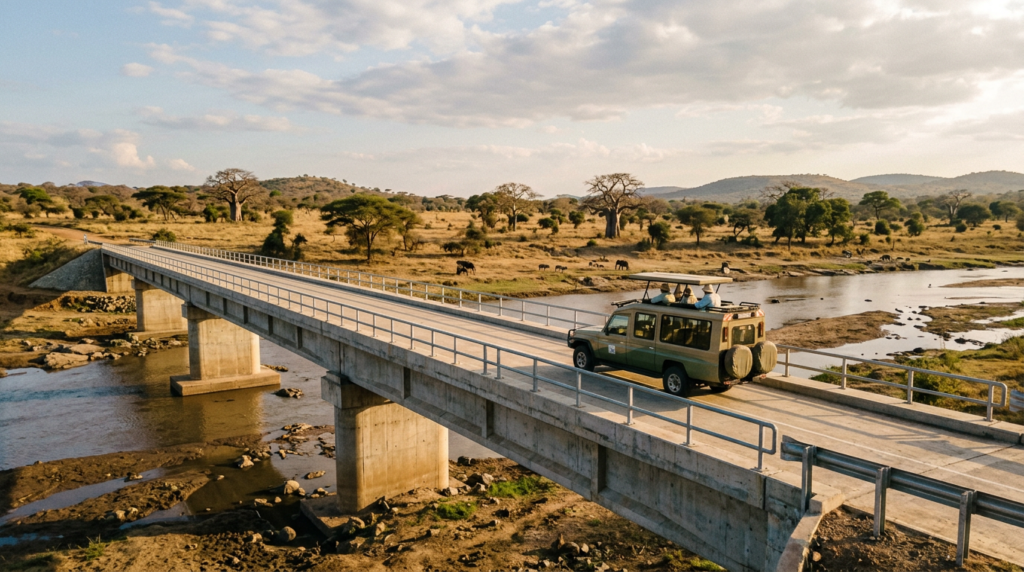
What Makes Tarangire’s Landscape Unique Compared to Other Tanzanian Parks?
Tarangire National Park stands as a breathtaking monument to the raw beauty of East Africa. It offers a visual experience that differs sharply from any other destination in Tanzania. Many travelers arrive expecting the flat, endless horizons characteristic of the Serengeti plains. Instead, they find a rugged, undulating terrain filled with character and ancient history. This park serves as a sanctuary where time seems to stand still. Huge baobab trees dominate the skyline, creating a prehistoric atmosphere that hums with life. The permanent Tarangire River snakes through the valley, providing a vital lifeline for thousands of animals. This landscape creates an intimate safari experience that feels both wild and deeply personal. At Gorilla Trekking Tours, we value the distinct personality of this northern jewel. We want to help you understand the specific geographical allure of this region. Prepare to explore a world of giants, red dust, and shimmering riverbanks.
Can You Provide a Comprehensive Overview of the Physical Terrain?
A Rugged Departure from the Flat Savannah
Tarangire features a hilly and textured topography that creates a sense of constant discovery. Unlike the flat grass plains of the Serengeti, this park offers varied elevations and ridges. You will navigate through ancient granite ridges and deep, sandy riverbeds during your exploration. These geographical features provide excellent vantage points for spotting wildlife from a distance. The rolling hills allow for spectacular panoramic views of the entire park ecosystem. You will notice how the light plays across the different levels of the terrain. This structural variety supports a wider range of vegetation than the more uniform plains. It creates a dynamic backdrop for every photograph you take in the bush. They offer a physical depth that defines the adventurous spirit of the park.
The Hydrological Lifeline of the Valley
The Tarangire River serves as the primary geographical focus of the entire park. It flows from the southern swamps toward the northern reaches of the reserve. This water source remains permanent even during the harshest and longest dry seasons. The river valley acts as a natural corridor for migrating herds of all sizes. You will see steep banks and lush riverine forests lining the water’s edge. This constant presence of water creates a dense green belt amidst the surrounding dry bush. It contrasts beautifully with the red volcanic soil found across the wider park. The river dictates the movement of every living creature within these park boundaries. It ensures high wildlife concentrations when other regions become parched and barren.
What are the Unique Features of the Iconic Baobab Trees?
Meeting the Ancient Sentinels of the Bush
The high concentration of ancient baobab trees is the most striking feature of the park. These massive botanical wonders can live for over one thousand years in this habitat. They possess thick, fire-resistant bark and enormous trunks that store thousands of liters of water. Their strange, root-like branches reach toward the sky, earning them the name “upside-down trees.” You will find them scattered across the hills like silent, giant guardians of the land. They provide essential nesting sites for raptors and shelter for smaller nocturnal creatures. Elephants often visit these trees to sharpen their tusks or eat the nutrient-rich bark. The presence of these giants creates a prehistoric aesthetic that you won’t find elsewhere.
An Ecosystem Within a Single Tree
Each baobab tree functions as a self-contained ecosystem supporting a vast array of life. Birds like the red-billed buffalo weaver build complex nests within the sturdy branches. Fruit bats and bees frequent the large, waxy white flowers during the nighttime hours. The hollows in older trunks often provide homes for monitor lizards and small owls. During the dry season, the baobab provides a reliable source of moisture for thirsty elephants. They use their tusks to gouge the soft wood and extract life-saving water. This interaction between the largest mammals and the largest trees is a sight to behold. It demonstrates the complex interdependency found within the Tanzanian wilderness. You are not just looking at a tree; you are looking at a monument to survival.
Which Wildlife in Tarangire Benefits from this Distinctive Landscape?
The Great Gathering of the Elephant Herds
The rugged terrain and permanent river attract the largest population of elephants in Northern Tanzania. During the dry months, thousands of these majestic giants congregate along the riverbanks. The hilly landscape allows them to find diverse food sources throughout the year. You will see family groups navigating the ridges and feeding in the lush valleys. The abundance of baobab trees provides them with essential minerals and hydration during droughts. This park offers perhaps the best elephant viewing opportunities in the entire world. You can watch them bathe in the river or play in the mud for hours. Their sheer numbers and peaceful presence define the character of the Tarangire experience. The land provides exactly what these giants need to thrive and grow.
Specialized Species of the Arid Bush
The unique vegetation of the park supports several species rarely seen in other Tanzanian reserves. You might encounter the fringe-eared oryx roaming the drier, more open scrublands. The long-necked gerenuk, or “giraffe gazelle,” stands on its hind legs to reach high leaves. These animals have adapted perfectly to the semi-arid conditions of the Tarangire ecosystem. Lesser kudu also hide within the thickets of the hilly forest regions. The park acts as a vital refuge for these specialized and beautiful antelopes. You will also find high concentrations of lions that often climb trees to escape the heat. This unusual behavior is a response to the specific environment of the park. You will discover creatures here that you might miss in the Serengeti or Ngorongoro.
What Activities in Tarangire Highlight its Geographical Beauty?
Immersive Walking Safaris through the Hills
The varied terrain of the park makes it an exceptional destination for walking safaris. You can leave the vehicle behind and explore the ridges on foot with a guide. This perspective allows you to appreciate the true scale of the massive baobab trees. You will feel the crunch of the red earth beneath your sturdy boots. Your ranger will show you how to identify animal tracks in the sandy riverbeds. Walking allows for a silent and intimate connection with the natural world. You can observe the smaller details of the flora and insect life. This activity emphasizes the physical texture of the land in a very direct way. You become part of the landscape rather than just a distant observer.
Dramatic Sunsets Over the Baobab Skyline
The skyline of Tarangire provides the most iconic sunset opportunities in all of East Africa. As the sun dips below the horizon, the baobabs create striking black silhouettes. The sky often turns vibrant shades of orange, purple, and deep fiery red. This visual spectacle is a favorite for professional and amateur photographers alike. Many lodges offer “sundowners” at spectacular viewpoints overlooking the river valley. You can enjoy a refreshing drink while watching the giants move against the fading light. The hilly terrain ensures that you always have a perfect vantage point for the show. This evening ritual is a highlight of any professional Tanzanian safari itinerary. You will carry these images in your memory for the rest of your life.
How Do Conservation and Challenges Affect this Sensitive Landscape?
Protecting the Vital Wildlife Corridors
The unique landscape of the park faces challenges from human encroachment on its borders. Tarangire does not exist in isolation but relies on migratory corridors for animal movement. These corridors connect the park to Lake Manyara and the wider Maasai Steppe. Conservationists work hard to protect these paths from agricultural expansion and new fences. If these corridors close, the animal populations within the park could suffer significantly. Maintaining the health of the Tarangire River is also a top priority for rangers. They must manage water usage upstream to ensure the river keeps flowing. This stewardship is essential for preserving the “Garden of Giants” for future travelers. Your visit helps fund these critical protection efforts across the entire region. We must protect the geography to save the wildlife.
Managing the Impact of Climate Change
Climate change brings unpredictable weather patterns to this sensitive semi-arid environment. Longer droughts can put immense pressure on the permanent water sources in the park. Conservationists monitor the health of the ancient baobabs to ensure they survive these shifts. Some trees show signs of stress from heavy elephant usage during dry periods. Rangers also manage the risk of bushfires that can damage the delicate riverine forests. Sustainable tourism practices help minimize the human footprint on this ancient land. Most lodges now use solar power and focus on strict waste reduction programs. These efforts ensure the park remains a reliable source of biodiversity and beauty. It is a constant battle to maintain the balance of this distinctive Tanzanian ecosystem. It is a place worth fighting for with every resource we have.
What is the Best Way of Getting to this Unique Park?
A Scenic Drive from the Arusha Gateway
Reaching the park is remarkably easy for travelers starting their journey in Arusha. The drive takes approximately two to three hours on well-maintained tarmac roads. You will pass through colorful local villages and vast plains during the trip. As you approach the gate, the first giant baobabs begin to appear. This road journey offers a wonderful introduction to the changing Tanzanian scenery. You can see the landscape transition from urban centers to wild, hilly scrubland. Most tour operators include this transfer as a standard part of their safari. The proximity to Arusha makes Tarangire a perfect first stop on your trip. You can immerse yourself in the wilderness shortly after arriving in the country.
Arriving by Air via the Kuro Airstrip
For a more exclusive experience, you can fly directly into the heart of the park. Small bush planes land at the Kuro Airstrip, located near the Tarangire River. This flight provides a spectacular aerial view of the Rift Valley and the baobabs. You can see the silver thread of the river winding through the green valley. This perspective highlights the geographical isolation and beauty of the reserve. Landing in the middle of the bush is a thrilling and professional way to start. A safari vehicle will meet you at the airstrip for your first game drive. This option saves time and avoids the dust of the main road. It emphasizes the remote and wild feel of the entire park environment. You see the “Garden of Giants” from a bird’s-eye view.
What Accommodation in Tarangire Complements the Landscape?
Luxury Tented Camps on the Riverbanks
Staying in a luxury tented camp allows you to live within the unique landscape. Many camps sit on elevated wooden platforms overlooking the permanent Tarangire River. You can hear the sounds of the water and the animals throughout the night. These accommodations use canvas walls to keep you connected to the wild environment. You might see elephants walking past your tent while you enjoy your morning tea. These camps prioritize high-quality service and an authentic African safari atmosphere. They blend seamlessly into the surrounding trees and hilly terrain for minimal impact. This immersive stay is a major part of your overall journey through Tanzania. You become a temporary resident of this ancient and beautiful kingdom.
Secluded Lodges Built Around Ancient Baobabs
Some lodges are cleverly designed to incorporate the giant baobab trees into their structure. You might find a dining area or a lounge built around a living giant. This architectural approach celebrates the unique flora that defines the park’s visual identity. These lodges often feature stone walls and thatched roofs that match the earth tones. They provide a cool and comfortable sanctuary during the heat of the afternoon. Many feature infinity pools with views of the vast, undulating plains below. You can relax in luxury while still feeling the raw power of the bush. These properties offer an authoritative and trustworthy base for your daily adventures. Your accommodation should reflect the majesty of the surroundings.
When is the Best Time to Visit to See the Landscape at its Best?
The Dramatic Dry Season from June to October
The dry season is the most popular time to witness the power of the park. As the smaller water holes dry up, animals flock to the Tarangire River. This results in some of the highest wildlife concentrations in the entire world. The grass is short and golden, making it very easy to spot predators. The dust in the air creates the most spectacular and glowing African sunsets. This is the peak time for seeing the massive herds of elephants gathering together. The landscape feels parched and rugged, emphasizing the importance of the river. You see the park at its most intense and life-filled peak. Most travelers find this to be the most rewarding time for their safari.
The Lush Emerald Season Following the Rains
The green season from November to May transforms the park into a lush paradise. The red earth disappears under a carpet of vibrant green grass and wildflowers. This is the best time for birdwatching as migratory species arrive in the park. Many animals give birth during this period, filling the plains with young calves. The air is incredibly clear, and the baobabs look vibrant with fresh green leaves. While animals are more dispersed, the scenery is absolutely breathtaking for photography. You will find fewer other tourists and can enjoy a more private experience. The park feels like a peaceful garden rather than a rugged desert during these months. It shows the incredible resilience and versatility of the African bush.
What Cultural Experiences Surround the Safari Lodge?
Interacting with the Maasai Communities
The land surrounding the park is the traditional home of the iconic Maasai people. Many lodges offer respectful visits to local “bomas” to learn about their nomadic culture. You can see their unique homes and learn about their deep connection to cattle. The Maasai possess a wealth of knowledge about the local plants and wildlife. They have lived alongside the giants of Tarangire for many hundreds of years. You might see their bright red robes contrasting with the golden savannah during a drive. Learning about their traditions provides a human context to the wilderness experience. It is a chance to support community projects and buy authentic local beadwork. It reminds us that this land has a rich human history as well.
Exploring the Ancient Barabaig Traditions
The Barabaig people also live in the regions near the southern borders of the park. They are a semi-nomadic group known for their impressive cattle herding and warrior skills. Some lodges can arrange visits to learn about their specific customs and language. Their relationship with the rugged terrain is different from the Maasai but equally fascinating. You can see their traditional dress and learn about their spiritual beliefs regarding the land. These encounters offer a rare and authentic glimpse into a traditional African lifestyle. It is a privilege to meet people who still live in harmony with the wild. These experiences foster a sense of mutual respect and global understanding for all travelers. It is a place where nature and tradition meet in a beautiful way.
Conclusion: Why Tarangire Belongs on Your Itinerary
Tarangire National Park is a destination that defies simple description or easy comparison. It offers a landscape of ancient giants and permanent rivers that sustain life. You will find a sense of wonder under the shade of a thousand-year-old baobab. The hills and ridges provide a physical adventure that challenges and excites the spirit. It serves as a vital sanctuary for the world’s most impressive elephant herds. This park is the perfect antidote to the busier and flatter plains of the north. You will leave with a deep appreciation for the complexity of the African bush. Every sunset and every animal encounter will stay with you for a lifetime. We encourage you to discover this “Garden of Giants” with a professional guide. The red dust of Tarangire is waiting to welcome you to its ancient and beautiful kingdom. Trust in the expertise of Gorilla Trekking Tours for your next great African adventure. Safe travels as you journey into the heart of the Tanzanian wild.
