
Can I Do a Hot Air Balloon Safari in Serengeti?
April 9, 2026
Are There Any Cultural Experiences Available in Serengeti?
April 9, 2026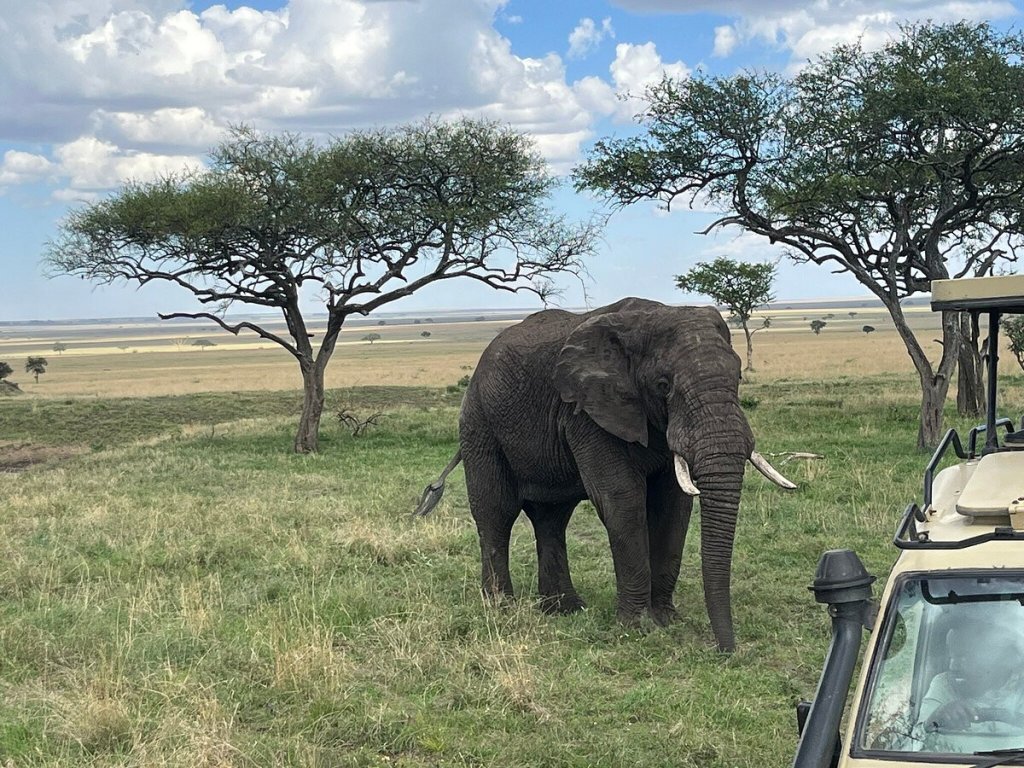
What Wildlife Can I Expect to See in Serengeti?
What wildlife can I expect to see in Serengeti, and why does this destination rank among the best safari locations on Earth? The Serengeti ecosystem delivers one of the richest wildlife experiences in Africa. Travelers arrive with expectations of seeing iconic animals, vast herds, and dramatic predator encounters. The region consistently meets and often exceeds those expectations.
The Serengeti offers a rare balance of biodiversity, accessibility, and natural beauty. Visitors experience wildlife in its purest form, without barriers or artificial interference. Therefore, every game drive presents a new opportunity to witness nature in action.
Gorilla Trekking Tours designs expertly guided safaris that maximize wildlife encounters. Each itinerary aligns with animal movements, seasonal changes, and traveler interests. This approach ensures meaningful and rewarding safari experiences.
Overview of Serengeti
The Serengeti covers vast plains, woodlands, and river systems that support an extraordinary range of species. This diversity creates one of the most balanced ecosystems in the world.
The region hosts both resident wildlife and migratory species. Resident animals remain in the Serengeti throughout the year. Migratory species move in search of water and fresh grazing. This movement creates dynamic wildlife patterns.
Additionally, the Serengeti connects with neighboring conservation areas. This connectivity allows animals to roam freely across large distances. As a result, wildlife populations remain strong and healthy.
Travelers often experience different wildlife depending on the region they visit. Central Serengeti offers consistent sightings, while northern and southern areas provide seasonal highlights.
What Wildlife Can I Expect to See in Serengeti That Makes It Unique?
The Serengeti stands out for its scale and natural processes. The Great Migration represents the most iconic feature, involving millions of animals moving across the plains.
This migration includes wildebeest, zebras, and gazelles. These animals travel in large herds, creating dramatic scenes. Predators follow closely, leading to intense wildlife interactions.
Additionally, the Serengeti offers excellent visibility. Open landscapes allow travelers to observe animals clearly. This advantage enhances wildlife photography and viewing experiences.
Granite kopjes provide unique habitats for predators. Lions and leopards often use these rock formations as resting and hunting points. These features create iconic safari images.
Cultural interactions also add value. Visitors engage with Maasai communities near safari lodges. These experiences provide insight into traditional lifestyles.
These features answer the question, what wildlife can I expect to see in Serengeti, while highlighting its uniqueness.
What Wildlife Can I Expect to See in Serengeti During a Safari?
The Serengeti hosts the famous Big Five. These include lions, elephants, leopards, buffalo, and rhinoceros. Travelers often see lions, elephants, and buffalo regularly.
Leopards require patience due to their elusive nature. They prefer wooded areas and often rest in trees. Black rhinos remain rare, with sightings more likely in specific regions.
The Great Migration dominates the landscape. Wildebeest and zebras move in massive herds, creating unforgettable scenes. These animals attract predators, increasing wildlife activity.
Cheetahs roam open plains and rely on speed to hunt. Hyenas play an important role as both hunters and scavengers. Giraffes move gracefully across the landscape, while hippos inhabit rivers and waterholes.
Warthogs and various antelope species appear frequently. Each species contributes to the ecosystem’s balance.
How Can I Experience Wildlife in Serengeti More Closely?
Game drives remain the most effective way to explore the park. These drives take place during peak wildlife activity hours.
Guides use their expertise to locate animals and explain their behavior. This guidance enhances the overall experience. Travelers gain deeper understanding of the ecosystem.
Hot air balloon safaris provide a unique perspective. Visitors observe wildlife from above and appreciate the scale of the landscape. This experience creates unforgettable memories.
Walking safaris offer a closer connection to nature. Guides focus on smaller details such as tracks, plants, and insects.
Cultural visits enrich the safari experience. Travelers engage with Maasai communities near lodges. These interactions include traditional dances and storytelling.
How Do I Reach the Best Wildlife Areas in Serengeti?
The journey begins with international flights into Tanzania. Most travelers arrive at Kilimanjaro International Airport or Arusha Airport.
From there, domestic flights provide quick access to Serengeti airstrips. These airstrips connect to key wildlife regions within the park. Road travel offers a scenic alternative for those with more time.
Gorilla Trekking Tours manages all travel logistics, ensuring smooth transitions. This service allows travelers to focus on their safari experience.
Choosing the right entry point influences wildlife viewing opportunities. Different regions offer different highlights.
Where Should You Stay to See the Best Wildlife in Serengeti?
Accommodation placement plays a crucial role in safari success. Lodges located near wildlife hotspots provide better access to animals.
Central Serengeti offers consistent wildlife sightings throughout the year. Northern regions provide access to migration river crossings. Southern areas host calving seasons.
Luxury lodges offer comfort and excellent views. Tented camps provide immersive experiences close to nature. Mobile camps follow wildlife movements, ensuring proximity to key areas.
Additionally, many lodges offer cultural experiences with nearby communities. Guests learn about local traditions and lifestyles.
When Can I See the Most Wildlife in Serengeti?
The Serengeti offers year-round wildlife viewing, but timing affects specific experiences.
The dry season provides excellent visibility. Animals gather around water sources, making them easier to spot. This period also includes dramatic migration events.
The wet season brings lush landscapes and fewer crowds. Birdwatchers benefit from increased activity during this time.
The calving season attracts predators, creating exciting wildlife interactions. Each season offers unique opportunities.
Conservation and Challenges
The Serengeti relies on strong conservation efforts to maintain its biodiversity.
Protected areas allow wildlife to move freely. Anti-poaching initiatives safeguard animals from illegal activities. Conservation programs support local communities.
However, challenges such as climate change and human encroachment affect ecosystems. Conservation organizations address these issues through education and policy enforcement.
Tourism plays a vital role in conservation. Park fees contribute to wildlife protection and community development.
Conclusion: What Wildlife Can I Expect to See in Serengeti and Why Should You Visit Now?
What wildlife can I expect to see in Serengeti, and why should travelers start planning today? The Serengeti offers one of the richest wildlife experiences in Africa. Travelers encounter the Big Five, the Great Migration, and diverse species across different habitats.
Each safari delivers unique and unforgettable moments. Wildlife, landscapes, and culture combine to create a powerful travel experience.
Gorilla Trekking Tours ensures seamless planning and expert guidance. Travelers enjoy personalized itineraries and meaningful encounters.
This guide answers the question, what wildlife can I expect to see in Serengeti while providing valuable insights for planning.
Start your journey today and explore the incredible wildlife of the Serengeti.
